Comparison of Premium Options of HDO vs MDO Plywood
Table of Contents
summary
HDO is recognized for its superior durability, water resistance, and a smooth, resin-impregnated surface, making it an ideal choice for demanding environments such as concrete forming and industrial containers. Conversely, MDO offers a robust and cost-effective solution, featuring a slightly less smooth surface, which is well-suited for general exterior applications like signage and siding where high performance is necessary but not at the premium level of HDO. Notable differences between HDO and MDO lie in their performance characteristics, durability, and resistance to environmental conditions. HDO typically outperforms MDO in terms of strength-to-weight ratio and resilience against abrasion, moisture, and chemicals, thereby reducing maintenance costs and enhancing longevity in challenging settings. MDO, while slightly less robust, provides excellent weather resistance at a more affordable price, making it a popular choice for projects that require solid performance without the high-end features of HDO. The selection between the two options often depends on specific project requirements, budget constraints, and desired performance levels. Both HDO and MDO plywoods are also significant within the context of environmental sustainability. As the demand for eco-friendly materials rises, manufacturers are increasingly adopting sustainable practices, such as sourcing raw materials from responsibly managed forests and implementing energy-efficient production techniques. However, challenges remain, including the initial costs of transitioning to more sustainable practices, which may impact the widespread adoption of these environmentally friendly methods in plywood manufacturing. The ongoing evolution of construction practices and consumer preferences continues to shape the market for HDO and MDO plywood. Their adaptability across various sectors—including construction, furniture manufacturing, and packaging—highlights their versatility and relevance in modern applications. As the industry seeks to balance performance with sustainability, the comparison of HDO and MDO plywood serves as a vital consideration for architects, builders, and consumers alike.
Types of Plywood
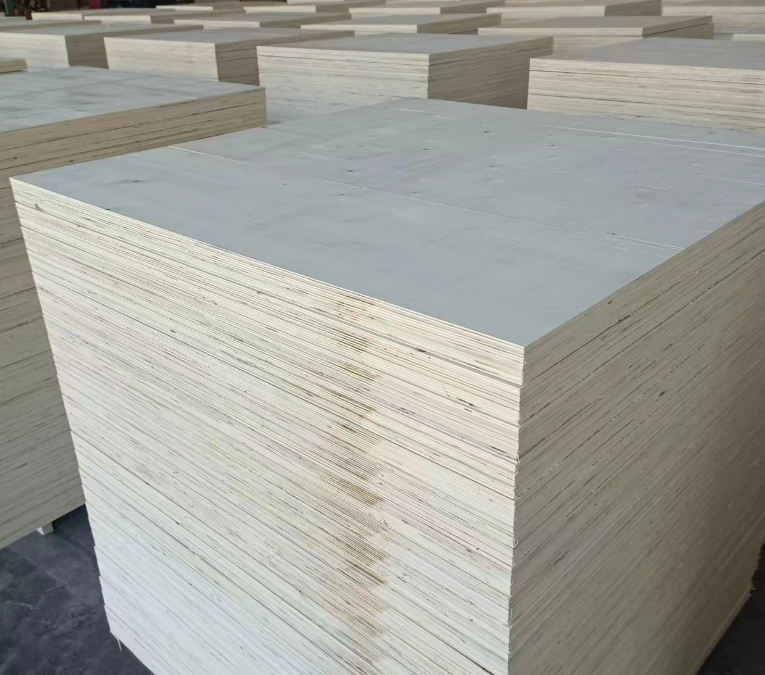
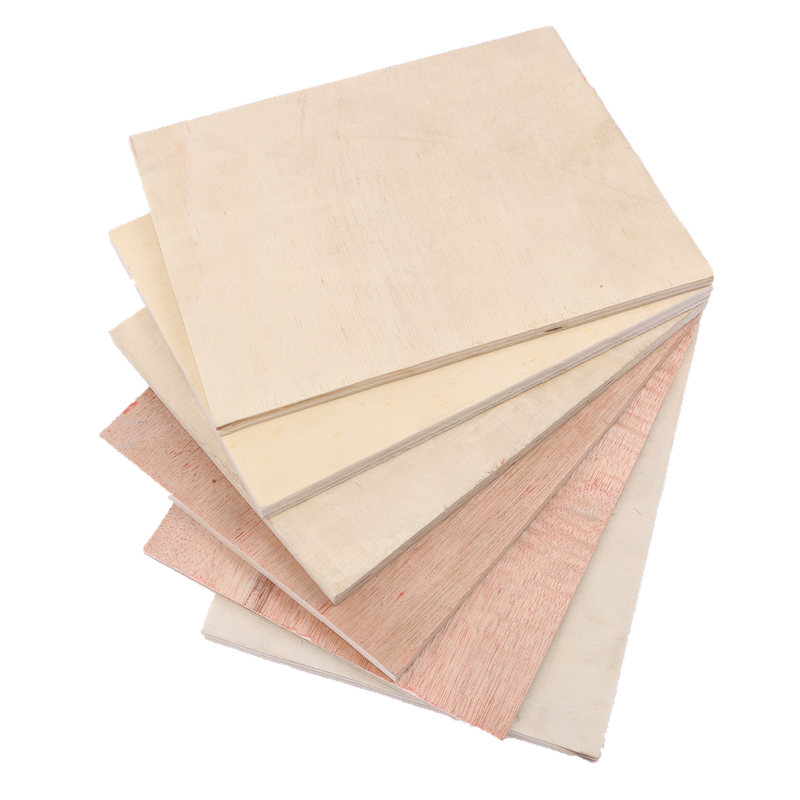
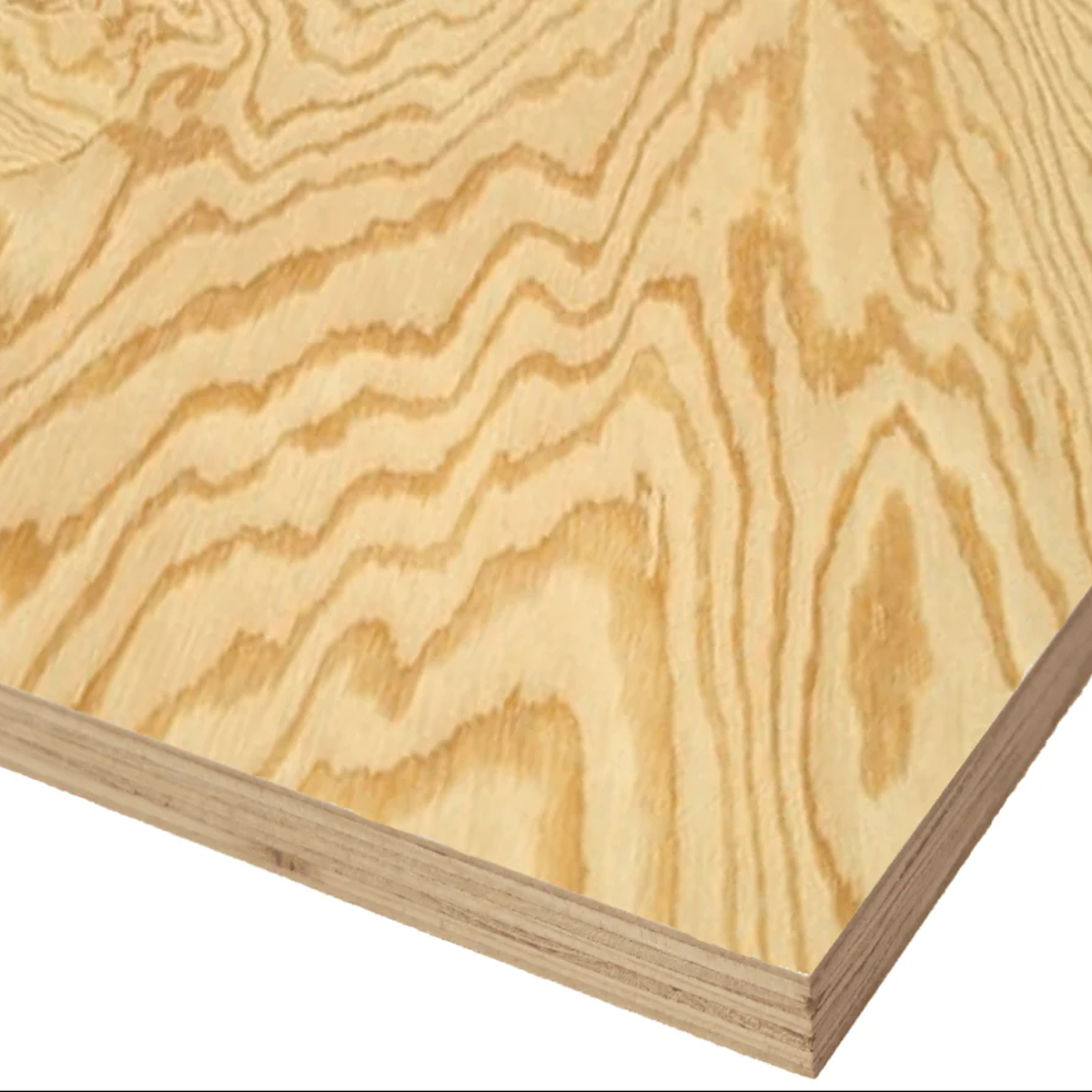
Plywood is a versatile engineered wood product composed of thin layers of veneer, bonded together to enhance strength and stability. It is classified into several types based on the materials used, the manufacturing process, and the intended applications.
Principal Categories of Plywood
Plywood is primarily divided into three main categories:
- Softwood Plywood: Made from coniferous trees such as fir, spruce, and pine, softwood plywood is widely used in construction due to its strength and availability.
- Hardwood Plywood: Manufactured from deciduous trees like oak, maple, and poplar, hardwood plywood is valued for its aesthetic appeal and durability, making it ideal for furniture and cabinetry.
- Tropical Plywood: Also known as lauan or meranti, this type consists of wood from various tropical tree species, predominantly sourced from Asia. It is often utilized in applications requiring a lightweight yet strong panel.
Specialized Plywood Types
In addition to the principal categories, there are several specialized types of plywood designed for specific applications:
MDO Plywood
Medium Density Overlay (MDO) plywood is typically used in outdoor applications. It features a resin-impregnated fiber overlay that provides a smooth surface, making it ideal for painting, signage, and other decorative uses. MDO is known for its durability and resistance to moisture, enhancing its longevity in various settings.
HDO Plywood
High Density Overlay (HDO) plywood is recognized for its exceptional durability and water-resistant properties. Commonly used in construction for exterior wall sheathing and formwork, HDO plywood provides a smooth surface that improves the quality of concrete finishes. It is also utilized in manufacturing and agricultural settings due to its strength, ease of cleaning, and resilience against harsh environmental conditions.
Phenolic Plywood
This type of plywood is characterized by its durability and water resistance, making it suitable for environments exposed to moisture. Phenolic plywood is often employed in marine applications and areas requiring enhanced protection against the elements.
Film Faced Plywood
Coated with a durable film, film faced plywood is designed to withstand water and chemicals. It is predominantly used in concrete formwork, where its ability to endure repeated use and harsh conditions is essential.
Physical Properties
Surface Finish
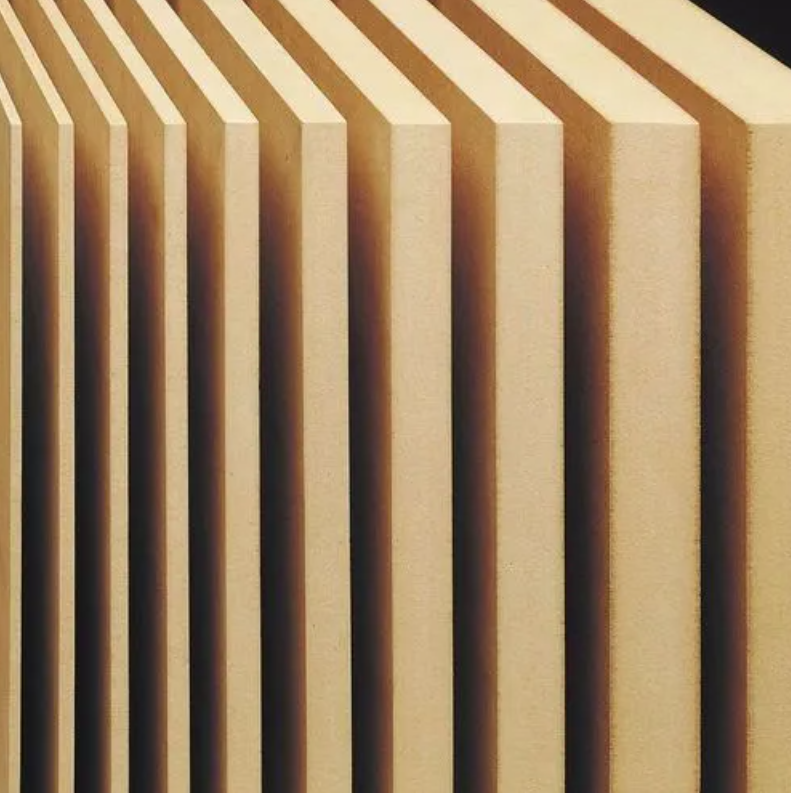
The surface finish of MDO and MDF also varies, affecting their suitability for different applications. MDO has a smooth, resin-impregnated surface that offers durability and resistance to abrasion, moisture, and chemicals, making it a preferred choice for demanding applications, such as concrete forming. While MDF offers a smooth surface for finishing, it does not provide the same level of durability as MDO, especially for outdoor projects where weather resistance is a priority.
Workability
Both MDO and MDF are known for their ease of workability, presenting a softer material that is less abrasive on tools compared to traditional plywood and solid hardwood. They come with smooth surfaces that are nearly ready for finishing. However, MDO has the advantage of better screw retention, making it preferable for projects that require fastening. Furthermore, MDO generates less mess during cutting and working, in contrast to MDF, which produces a considerable amount of powdery sawdust that can contaminate the workspace and pose respiratory issues if inhaled.
Density and Strength
When comparing MDO (Medium Density Overlay) and MDF (Medium Density Fiberboard), density plays a crucial role in determining their durability and strength. MDO is denser than MDF, making it more suitable for applications that require enhanced structural integrity and resistance to physical damage. MDO was developed specifically to address the limitations of MDF, which has a weaker construction. Therefore, MDO is generally the stronger choice, able to support heavier weights and maintain its strength over time, whereas MDF has a relatively low tensile strength of about 90 pounds for a standard 4×8 sheet, indicating its vulnerability to breakage under stress.
Weather Resistance and Application
MDO is designed with weather-resistant properties and is constructed using waterproof adhesives, making it ideal for exterior applications. In contrast, MDF is often untreated and does not perform well under wet conditions, which limits its use in outdoor settings. This distinction is critical for projects that will be exposed to moisture, where MDO’s durability becomes a significant advantage.
Thickness and Versatility
Both MDO and MDF panels are available in various thicknesses, providing flexibility for different construction needs. Standard sheet sizes typically include lengths of 8’, 10’, and 12’, with widths of 4 feet. This variety allows users to select the most appropriate thickness for their specific projects, enhancing the overall utility of both materials in construction applications.
Performance Characteristics
High Density Overlay (HDO) and Medium Density Overlay (MDO) plywoods are recognized for their distinct performance characteristics, making them suitable for various applications. HDO is notable for its exceptionally smooth, resin-impregnated surface that provides superior durability and resistance to abrasion, moisture, and chemicals, making it ideal for high-demand applications such as concrete forming and industrial containers. This durability translates into reduced maintenance costs and enhanced performance in challenging environments, which is particularly beneficial in construction and industrial sectors. In contrast, MDO, while offering a slightly less smooth surface compared to HDO, still presents a robust and weather-resistant option at a more affordable price point. It is often utilized for general exterior applications, including signage and siding, where high performance is required but not at the premium level of HDO. The choice between HDO and MDO typically hinges on specific project requirements, with HDO preferred for its top-tier performance and MDO selected for cost-effectiveness when high-end features are not critical. Additionally, HDO’s strength-to-weight ratio is exceptional, making it advantageous for transportation applications, such as trailer and truck linings, where it can minimize damage and maintenance costs. The material’s history of use in signage also highlights its versatility, transitioning from highway sign applications to a broader range of construction and industrial uses.
Environmental Impact
The environmental impact of plywood production is a significant concern, as the demand for sustainable materials rises in response to growing awareness of environmental issues. The significance of green values is increasingly recognized, with consumers actively seeking environmentally friendly products. Life cycle assessment (LCA) serves as a valuable tool for understanding the environmental footprint of plywood, focusing on carbon emissions associated with its production. This assessment typically adopts a “cradle-to-gate” approach, which encompasses raw material extraction, manufacturing processes, and transportation, concluding once the product is packaged for delivery.
Emissions from Plywood Manufacturing
The manufacture of plywood generates various emissions that can adversely affect air quality. Key contributors include particulate matter from log cutting, bark removal, and plywood sanding, as well as emissions from veneer dryers and adhesives. The production process can lead to significant greenhouse gas emissions, specifically measured in carbon dioxide equivalent (CO₂e), which reflects the climate change impact of the products produced.
Sustainable Practices in Plywood Production
To mitigate these environmental impacts, manufacturers are increasingly adopting sustainable practices. This includes sourcing raw materials from responsibly managed forests, which comply with certification standards such as the Forest Stewardship Council (FSC) certification. By using sustainably harvested timber, companies can significantly reduce their ecological footprint and contribute to the conservation of forest ecosystems. Furthermore, advanced manufacturing technologies can streamline operations and reduce waste, thereby enhancing overall sustainability in plywood production.
Challenges in Achieving Sustainability
Despite the clear benefits of adopting sustainable practices, manufacturers face challenges such as initial costs associated with new technologies and market resistance to eco-friendly products. These challenges can hinder the widespread implementation of sustainable practices in the plywood industry, despite the long-term benefits they offer for both the environment and manufacturers’ profitability.
Industry Usage
The industry usage of plywood, particularly high-density overlay (HDO) and medium-density overlay (MDO) plywood, spans various sectors including construction, furniture manufacturing, and packaging. Both types of plywood are renowned for their durability and versatility, making them ideal for a wide range of applications.
Furniture Manufacturing
The trend towards modular and DIY furniture has created significant opportunities for plywood manufacturers. Plywood’s ease of use, combined with its aesthetic appeal, makes it an attractive option for both manufacturers and consumers in the furniture sector. The growing demand for customizable and stylish furniture solutions is expected to further drive the market for plywood, particularly as more individuals invest in home interior design and renovation projects post-pandemic.
Construction Industry
In the construction sector, plywood serves as a fundamental material for formwork, which is critical for supporting structures during the pouring of concrete. For instance, the use of film faced plywood and MDO panels has proven effective in large-scale industrial projects, such as distribution centers and bridge construction, where the need for lightweight yet strong materials is paramount. The high-quality finish of HDO and MDO plywood contributes to aesthetic appeal while meeting the strict requirements for durability and structural integrity.
Packaging Sector
In packaging, plywood finds application due to its strength and lightweight properties. It is commonly used for crates and pallets, which are essential for transporting goods safely and efficiently. The increasing prevalence of e-commerce platforms is enhancing the demand for plywood packaging solutions, allowing manufacturers to reach a broader customer base.
Environmental Considerations
The industry is also seeing a shift towards eco-friendly practices in plywood production. Manufacturers are increasingly utilizing energy-efficient machinery and sustainable adhesives, such as PVA and lower-emission phenol-formaldehyde options, to enhance the environmental footprint of plywood products. This shift not only caters to the rising consumer demand for sustainable materials but also positions plywood as a viable choice in green building initiatives.
Contact us
Product Category
Hot Sales Boxes

When Was Plywood Invented? Origins,development & Impact
Plywood is an engineered wood product consisting of multiple layers of thin wood veneers glued together, which provides enhanced strength and stability.

How To Use Luan? And what’s Luan Flooring
Luan, also known as Lauan or Philippine mahogany, is a type of hardwood plywood primarily sourced from tropical trees in Southeast Asia, particularly the Philippines.

What is Luan underlayment?The Price Of Luan Underlayment
Luan underlayment, derived from thin sheets of plywood made from the Lauan tree, is a widely used material in construction and interior applications.

How to successfully remove hardwood flooring
Removing hardwood flooring can be a rewarding project, but it requires the right tools, techniques, and preparation.

Different Types Of Engineered Wood And Their Uses
Engineered wood refers to a range of composite wood products created by binding together wood strands, fibers, or veneers with adhesives, resulting in materials that possess enhanced strength, stability, and versatility compared to traditional solid wood.
- +86 150 5090 7673
- www.haruplywood@outlook.com
- Mon-Fri 9:00AM - 5:00PM
Tags

When Was Plywood Invented? Origins,development & Impact
Plywood is an engineered wood product consisting of multiple layers of thin wood veneers glued together, which provides enhanced strength and stability.

How To Use Luan? And what’s Luan Flooring
Luan, also known as Lauan or Philippine mahogany, is a type of hardwood plywood primarily sourced from tropical trees in Southeast Asia, particularly the Philippines.

What is Luan underlayment?The Price Of Luan Underlayment
Luan underlayment, derived from thin sheets of plywood made from the Lauan tree, is a widely used material in construction and interior applications.


