What is Luan underlayment?The Price Of Luan Underlayment
Table of Contents
summary
Known for its lightweight and flexible characteristics, Luan underlayment serves as a reliable base for flooring installations, ceiling structures, and cabinetry, among other uses. Its affordability and versatility have contributed to its popularity among builders and DIY enthusiasts alike, making it a common choice in residential and commercial projects. The production process of Luan plywood involves peeling the wood into thin layers, which are then bonded with resin and wax to create smooth panels that resist moisture and hold fasteners effectively. Available in various thicknesses, Luan underlayment can be tailored for specific applications, although its susceptibility to moisture and potential formaldehyde emissions are notable concerns that users must consider. These factors can affect its performance and safety, particularly in environments prone to humidity or water exposure. The pricing of Luan underlayment varies based on thickness, quality, and retailer, typically ranging from $15 to $55 per sheet. Seasonal discounts and bulk purchase options can further impact costs, making it essential for consumers to time their purchases strategically to maximize savings. As awareness of environmental sustainability grows, the importance of sourcing Luan plywood from responsibly managed forests, and opting for low-emission products, has become a prominent consideration for consumers looking to minimize their ecological footprint. In conclusion, Luan underlayment stands out for its blend of affordability, versatility, and ease of use; however, potential drawbacks such as moisture susceptibility and varying quality must be carefully weighed against its benefits to ensure optimal application and performance.
Composition and Characteristics
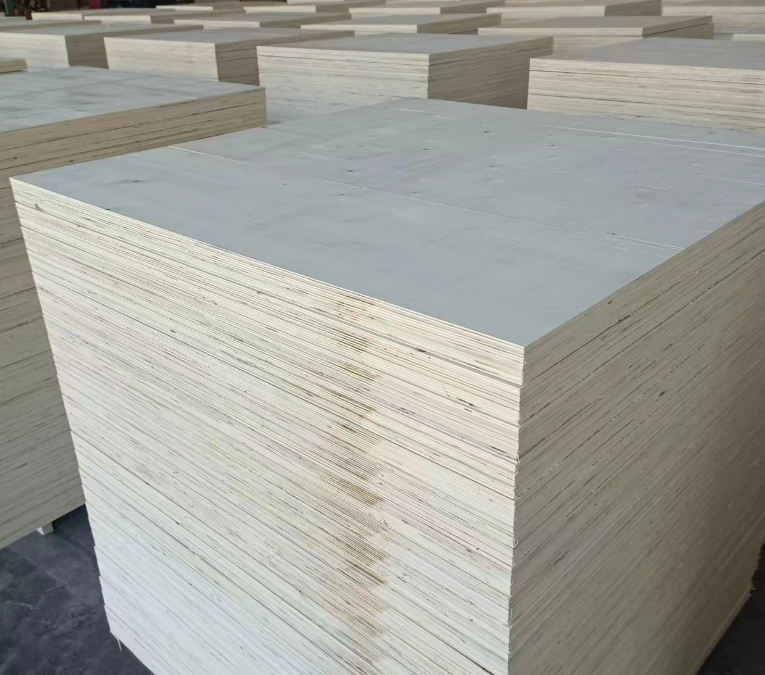
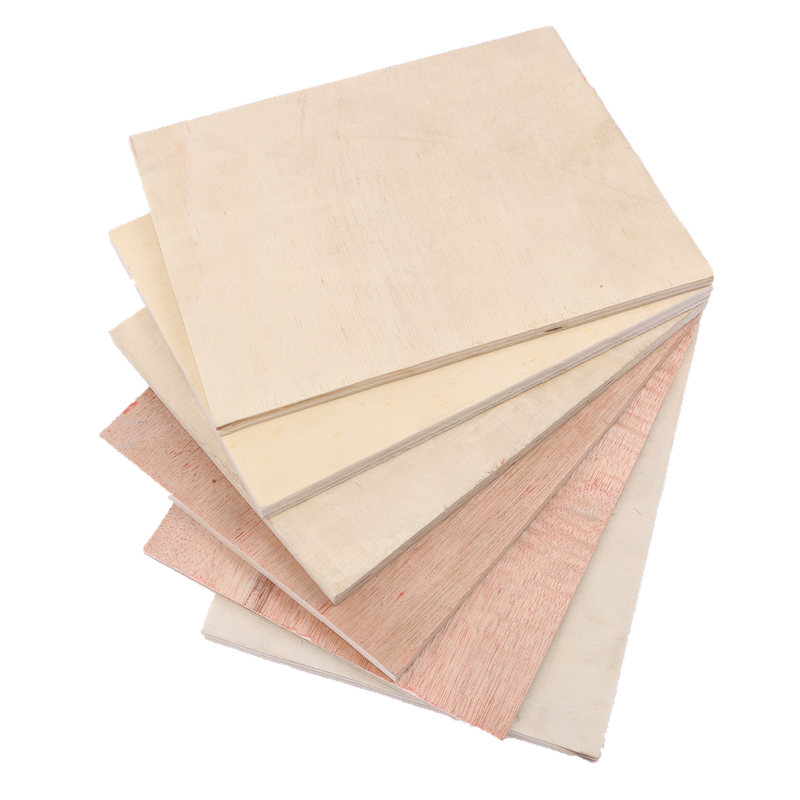
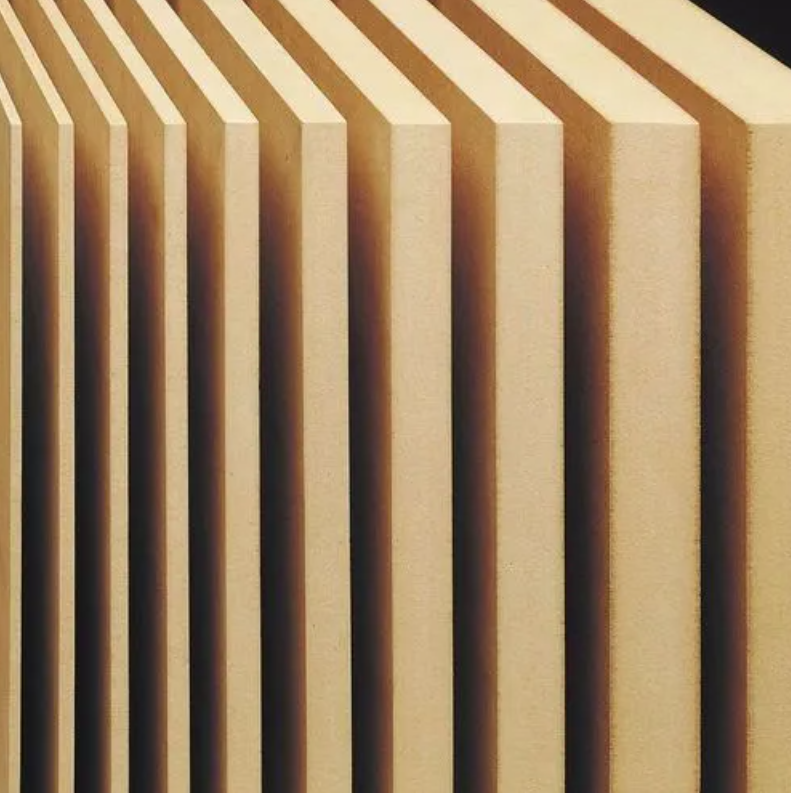
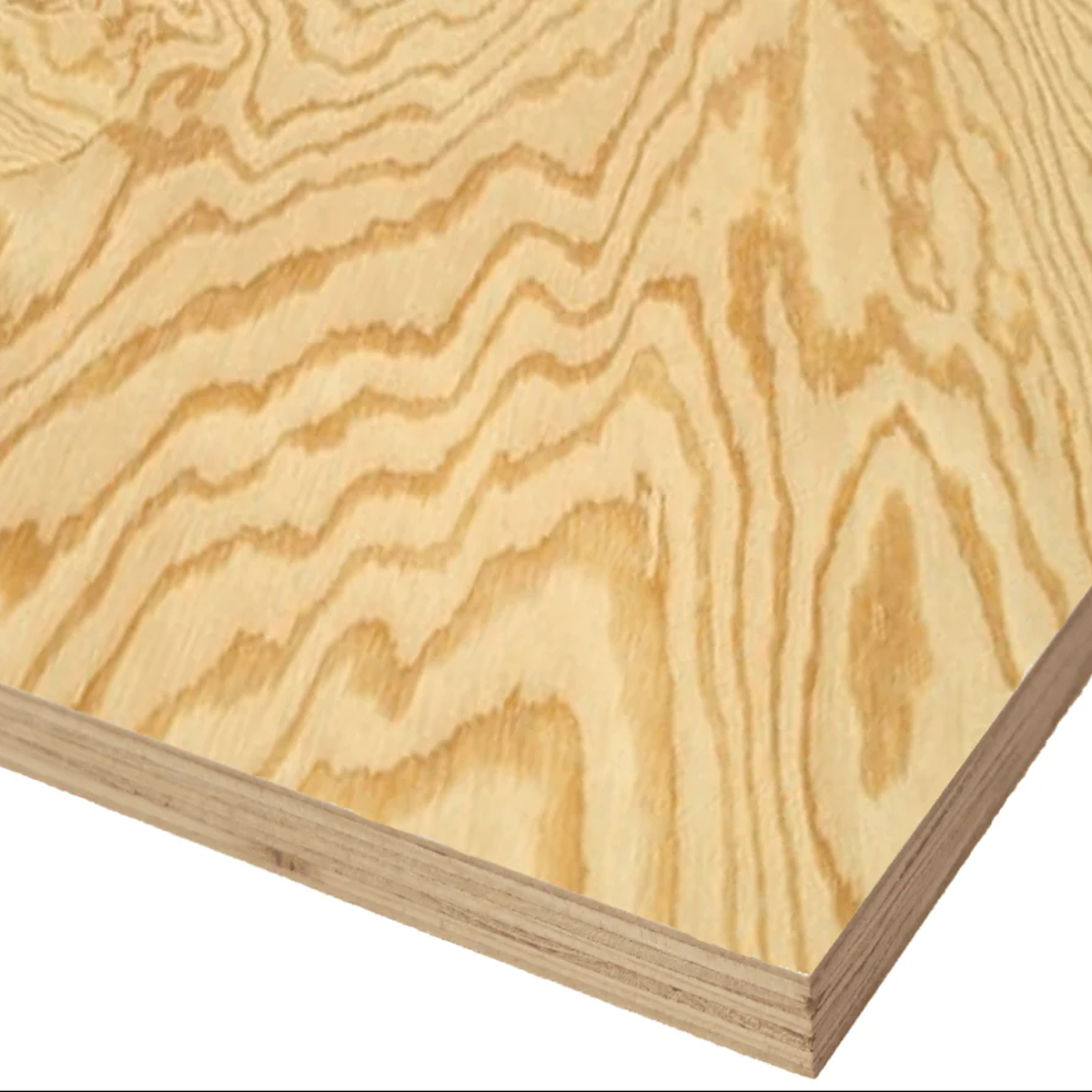
Luan underlayment is primarily made from thin sheets of plywood derived from the wood of the Lauan tree, which is prevalent in the Pacific Rim. The production process involves peeling the wood into thin layers, allowing for easy manufacturing of the lightweight and flexible panels that characterize Luan plywood. The panels are bonded together under pressure with resin and wax, resulting in a smooth and durable surface that can hold nails and screws effectively.
Physical Properties
Luan plywood is available in various thicknesses, typically ranging from 1/8 inch to 3/4 inch, allowing it to be tailored for different applications, from lightweight decorative uses to more robust structural components. The smooth surface of Luan plywood not only makes it suitable for underlayment but also provides an excellent base for further finishing or as a backing material in cabinetry and furniture projects. Its ability to resist moisture makes it an effective choice for applications in areas that may experience high humidity or water exposure, although caution should still be exercised to prevent water damage over time.
Environmental Considerations
One of the key characteristics of Luan underlayment is its sustainability. The materials used in its production are often sourced from renewable resources, contributing to a lower carbon footprint compared to other flooring materials. However, it is essential to ensure that any Luan plywood used is sourced from responsibly managed forests, such as those certified by the Forest Stewardship Council (FSC) or the Programme for the Endorsement of Forest Certification (PEFC) to ensure minimal environmental impact.
Chemical Composition
Luan underlayment can be produced using both formaldehyde-based and non-formaldehyde glues. The use of non-formaldehyde glues is particularly advantageous, as these adhesives reduce the potential for harmful volatile organic compound (VOC) emissions, making Luan a healthier choice for indoor environments. However, it is crucial to check product certifications to confirm that the underlayment meets safety standards regarding chemical emissions.
Applications
Luan underlayment, known for its smooth and flat surface, is utilized in various construction and interior applications.
Flooring Underlayment
One of the primary uses of Luan plywood is as an underlayment for flooring materials such as vinyl or laminate. Its stability helps to prevent imperfections from transferring to the surface, thus ensuring a more polished and finished appearance for the flooring installation.
Ceiling and Roofing
Luan plywood is also employed in ceiling and roofing applications due to its lightweight nature, which facilitates easy installation. Its strength and durability contribute to long-lasting performance in these settings, making it a practical choice for builders and contractors.
Shelving and Storage Units
In addition to its flooring and roofing uses, Luan plywood is frequently used in the construction of shelving and storage units. Its ability to provide a sturdy yet lightweight option makes it ideal for various storage solutions within homes and commercial spaces.
Advantages
Luan plywood, commonly referred to as Lauan, presents numerous advantages that make it a popular choice in construction and woodworking.
Cost-Effectiveness
One of the most significant advantages of luan plywood is its affordability. It offers a budget-friendly option for builders and homeowners, allowing them to complete various projects without compromising on quality. This cost-effectiveness extends not only to the acquisition of materials but also to installation ease, making it an attractive choice for those working within tight financial constraints.
Versatility
Luan plywood’s versatility is a standout feature, making it suitable for a wide range of applications. It can be utilized in decorative elements, functional structures, cabinetry, furniture, and even interior wall paneling. This adaptability allows it to meet diverse project requirements, making it an essential material for builders and craftsmen alike.
Lightweight Nature
Another advantage of luan plywood is its lightweight composition, which simplifies handling and transportation. This characteristic is particularly beneficial for both DIY enthusiasts and professional craftsmen who may require a material that is easy to manipulate during construction.
Smooth Surface
The surface of luan plywood is typically sanded to perfection, providing a smooth and even finish. This quality makes it ideal for finishing applications, whether painting, staining, or applying veneer. The polished appearance achieved through its smooth surface ensures a professional and refined look in completed projects.
Ease of Workability
Luan plywood is known for its ease of manipulation, allowing it to be cut, shaped, and customized with relative simplicity. This ease of workability translates to quicker project completion, making it a favored choice among builders and hobbyists alike. These advantages collectively highlight why luan plywood is a preferred material for a multitude of construction and woodworking projects, offering both versatility and reliability in its applications.
Disadvantages
While Luan plywood is recognized for its versatility and cost-effectiveness, it is important to consider its potential downsides to make informed choices regarding its use in construction and woodworking projects.
Quality Variability
Luan plywood is available in various grades, and the quality can be inconsistent. Lower-grade products may exhibit defects such as voids, knots, or splits, which can adversely affect the material’s performance and visual appeal, particularly in applications where appearance is important.
Susceptibility to Moisture
One of the most significant disadvantages of Luan plywood is its susceptibility to moisture. Unlike other plywood types, Luan is not highly resistant to water; exposure can lead to swelling, warping, or delamination, compromising its structural integrity. This makes Luan less suitable for outdoor applications or areas prone to high humidity, such as kitchens and bathrooms.
Formaldehyde Emissions
Another concern associated with Luan plywood is the potential for formaldehyde emissions. Many Luan products utilize adhesives that contain formaldehyde, a chemical that can off-gas and contribute to indoor air pollution. Prolonged exposure to formaldehyde has been linked to health issues, including respiratory problems and allergic reactions, which raises concerns about indoor air quality.
Limited Outdoor Use
Due to its susceptibility to moisture and lack of durability in wet conditions, Luan plywood is generally not recommended for outdoor use. Builders and craftsmen should be cautious when considering Luan for projects that will be exposed to the elements, as its lifespan may be significantly reduced under such conditions.
Alternative Options
For those concerned about the disadvantages of Luan plywood, exploring alternative materials might be prudent. While alternatives may offer improved resistance to moisture or lower formaldehyde emissions, they can also come with higher costs or reduced flexibility in application, emphasizing the need for careful project planning and material selection.
Price of Luan Underlayment
The cost of luan underlayment varies based on several factors, including thickness, quality, dimensions, and the retailer from which it is purchased. Typically, luan plywood sheets are available in sizes of 4 feet by 8 feet, with common thicknesses of ¼ inch, ½ inch, and ¾ inch. Prices for luan plywood generally range from $15 to $55 per full sheet, depending on these factors.
Pricing Breakdown
- ¼ inch thick: Prices for standard luan sheets range from approximately $15 to $22, while premium two-side sanded versions can cost between $18 and $26.
- ½ inch thick: Standard sheets are priced around $20 to $36, with premium versions costing between $24 and $36.
- ¾ inch thick: For structural panels, costs can rise significantly, with prices ranging from $35 to $55 for standard sheets, while premium options may go from $42 to $60. Retailers like Home Depot and Lowe’s typically provide competitive pricing, but purchasing directly from mills or in bulk can lead to significant savings. Buyers can often obtain discounts for larger orders, with some retailers offering up to 10-15% off for purchases exceeding 50 sheets.
Seasonal Pricing Trends
To maximize savings, it’s advisable to time purchases around seasonal promotions. Discounts can often be found during spring clearance sales, major summer holidays, and during end-of-year sales events. Such timing can yield price reductions of 10-20% off the manufacturer’s suggested retail price (MSRP) for luan sheets.
Installation Process
Installing Luan underlayment is a relatively straightforward process that can enhance the comfort and durability of your flooring.
Preparation
Before beginning the installation, it is crucial to gather the necessary tools and materials, including Luan plywood sheets, a measuring tape, a circular saw, heavy-duty adhesive, screws, and a utility knife. Additionally, you should ensure that the subfloor is clean, flat, and dry. Thoroughly inspect the area for any unevenness or damage that must be addressed prior to installation.
Cleaning the Subfloor
Clean the subfloor by removing any dirt, debris, or loose particles to create a smooth surface for the Luan. If any repairs are necessary, such as filling cracks or smoothing uneven areas, this should be completed before proceeding. Once the subfloor is prepared, measure the area and cut the Luan panels to fit, leaving a small gap for expansion.
Laying the Luan
Begin the installation by positioning the Luan panels onto the subfloor. Start in one corner of the room and ensure that the edges fit neatly together. Use a stapler or screws to secure the panels in place, ensuring that the fasteners are spaced evenly and do not overdrive to prevent damage to the Luan. It is advisable to press down on the Luan using a roller or a weighted object to ensure a flat and secure fit.
Applying Adhesive
Once the Luan is laid down, apply a layer of adhesive to the subfloor. Ensure that the adhesive is spread evenly across the entire surface, following the manufacturer’s instructions closely. After the adhesive has been applied, position the Luan panels, pressing them down firmly to create a strong bond. It is essential to check for any gaps or loose areas and make adjustments as needed.
Final Steps
After the Luan has been installed and secured, it is important to clean the area to remove any dust or adhesive residue. A broom or vacuum cleaner can be used for this purpose, and if adhesive remains, a mixture of warm water and mild detergent may help remove it. Once cleaned, allow the area to dry completely before proceeding with the installation of the final flooring material, ensuring a durable and aesthetically pleasing finish. With careful preparation and adherence to these steps, the installation of Luan underlayment can significantly enhance the performance of your vinyl flooring, providing additional insulation, soundproofing, and comfort.
Maintenance and Care
Maintaining and caring for luan underlayment is essential to ensure its longevity and performance, particularly in environments where moisture exposure is a concern.
Moisture Protection
Luan plywood is notably susceptible to moisture, which can lead to warping or delamination. To counteract these issues, applying a waterproof sealant or finish is crucial, especially in areas prone to dampness such as bathrooms or kitchens. Proper ventilation should also be maintained to minimize humidity and prevent direct water exposure.
Regular Cleaning
Keeping the surface of the luan underlayment clean is vital. Regularly dusting and wiping it with a damp cloth helps prevent dirt buildup. It’s advisable to avoid harsh chemicals or abrasive cleaners, as these can damage the finish and compromise the plywood’s integrity. In case of adhesive residue or debris from installation, thorough cleaning should be done using a broom or vacuum, and any adhesive residue can be removed with a commercial adhesive remover or a mixture of warm water and mild detergent.
Quality Inspection
Before installation, inspect the luan plywood for visible defects and select higher-grade materials to achieve a smoother finish. Certifications like the Forest Stewardship Council (FSC) can guide consumers toward responsibly sourced and high-quality plywood.
Low-Emission Products
Choosing luan plywood that employs low-emission or formaldehyde-free adhesives can significantly reduce indoor air pollution, contributing to a healthier living environment. Certifications such as GREENGUARD can indicate lower levels of chemical emissions, promoting both sustainability and safety in indoor spaces.
Temperature and Humidity Control
To maintain the structural integrity of luan underlayment, it’s important to control indoor humidity levels. Utilizing dehumidifiers in high humidity areas can prevent issues related to moisture buildup. By following these maintenance and care strategies, users can enhance the durability and performance of their luan underlayment, ensuring it serves effectively in various applications while promoting a healthier living environment.
Contact us
Product Category
Hot Sales Boxes

When Was Plywood Invented? Origins,development & Impact
Plywood is an engineered wood product consisting of multiple layers of thin wood veneers glued together, which provides enhanced strength and stability.

How To Use Luan? And what’s Luan Flooring
Luan, also known as Lauan or Philippine mahogany, is a type of hardwood plywood primarily sourced from tropical trees in Southeast Asia, particularly the Philippines.

What is Luan underlayment?The Price Of Luan Underlayment
Luan underlayment, derived from thin sheets of plywood made from the Lauan tree, is a widely used material in construction and interior applications.

How to successfully remove hardwood flooring
Removing hardwood flooring can be a rewarding project, but it requires the right tools, techniques, and preparation.

Different Types Of Engineered Wood And Their Uses
Engineered wood refers to a range of composite wood products created by binding together wood strands, fibers, or veneers with adhesives, resulting in materials that possess enhanced strength, stability, and versatility compared to traditional solid wood.
- +86 150 5090 7673
- www.haruplywood@outlook.com
- Mon-Fri 9:00AM - 5:00PM
Tags

When Was Plywood Invented? Origins,development & Impact
Plywood is an engineered wood product consisting of multiple layers of thin wood veneers glued together, which provides enhanced strength and stability.

How To Use Luan? And what’s Luan Flooring
Luan, also known as Lauan or Philippine mahogany, is a type of hardwood plywood primarily sourced from tropical trees in Southeast Asia, particularly the Philippines.

What is Luan underlayment?The Price Of Luan Underlayment
Luan underlayment, derived from thin sheets of plywood made from the Lauan tree, is a widely used material in construction and interior applications.


