
Different Types Of Engineered Wood And Their Uses
Table of Contents
summary
Engineered wood refers to a range of composite wood products created by binding together wood strands, fibers, or veneers with adhesives, resulting in materials that possess enhanced strength, stability, and versatility compared to traditional solid wood.
This innovative category of building material includes various types, such as plywood, oriented strand board (OSB), medium-density fiberboard (MDF), particle board, laminated veneer lumber (LVL), and cross-laminated timber (CLT), each tailored for specific applications ranging from construction to furniture making and interior design. The increasing preference for engineered wood is attributed to its sustainability, cost-effectiveness, and improved performance characteristics, making it an essential component in modern architecture and construction practices. The notable rise of engineered wood has significant implications for the environment and the economy. It promotes sustainable forestry practices by utilizing fast-growing trees and wood waste, thus reducing the reliance on old-growth timber. Additionally, engineered wood products are recognized for their ability to minimize carbon emissions in construction compared to traditional materials such as steel and concrete. However, the engineered wood industry faces challenges, including concerns regarding the availability of eco-friendly lumber, compliance with environmental regulations, and the environmental impact of logging practices. Among the diverse types of engineered wood, plywood and OSB are widely used in structural applications, while MDF and particle board are popular for furniture and cabinetry due to their smooth surfaces and ease of use. CLT has emerged as a cutting-edge material for tall buildings, offering structural strength comparable to reinforced concrete and promoting rapid assembly on construction sites. As awareness of sustainability grows, innovations in engineered wood technology continue to enhance product performance, ensuring that engineered wood remains a leading choice in sustainable construction. While the advantages of engineered wood are significant, it is not without controversies, particularly regarding the sourcing of materials and the environmental impact of manufacturing processes. The industry’s ability to balance cost, sustainability, and quality will be crucial as demand for engineered wood products continues to rise globally.

Plywood
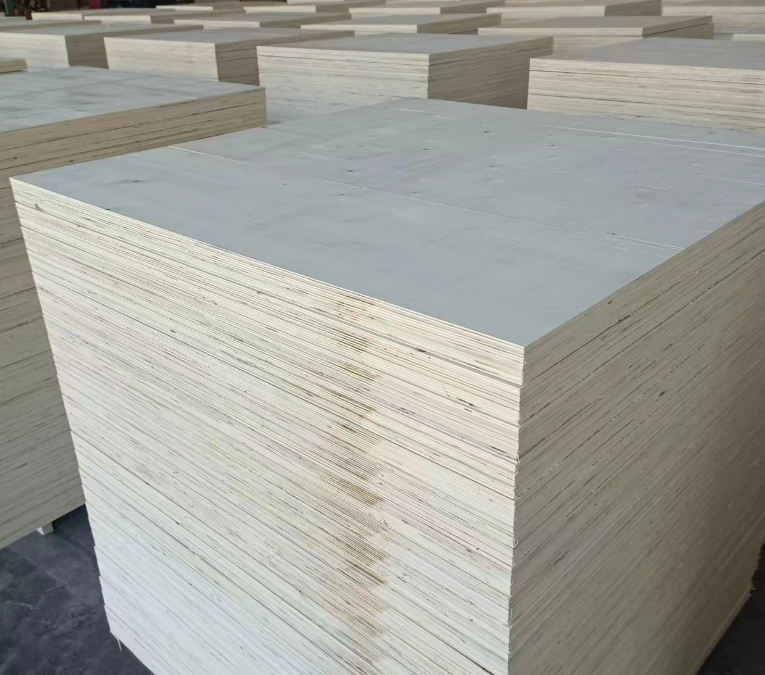
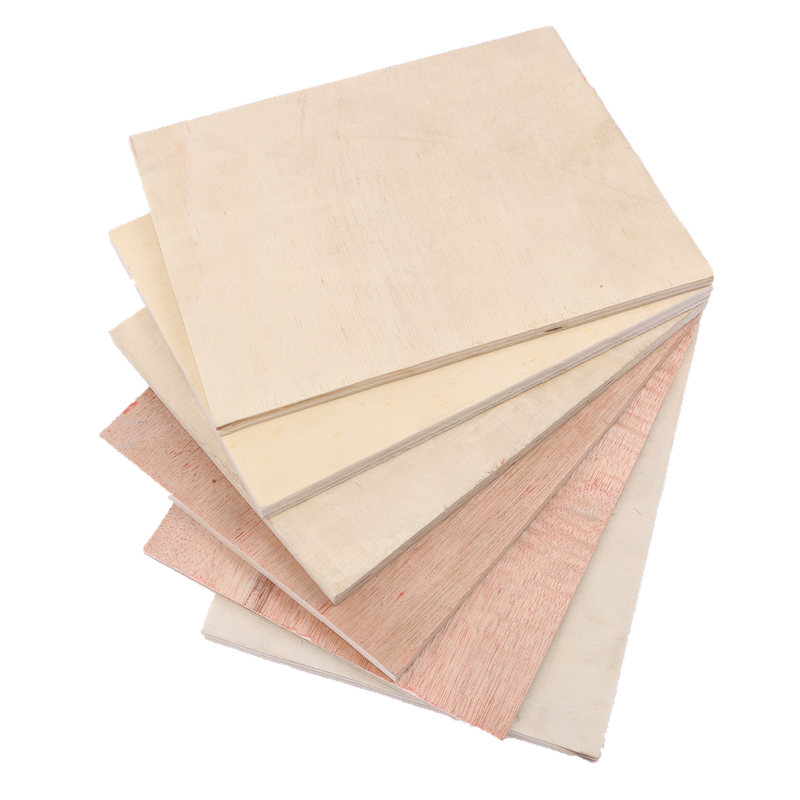
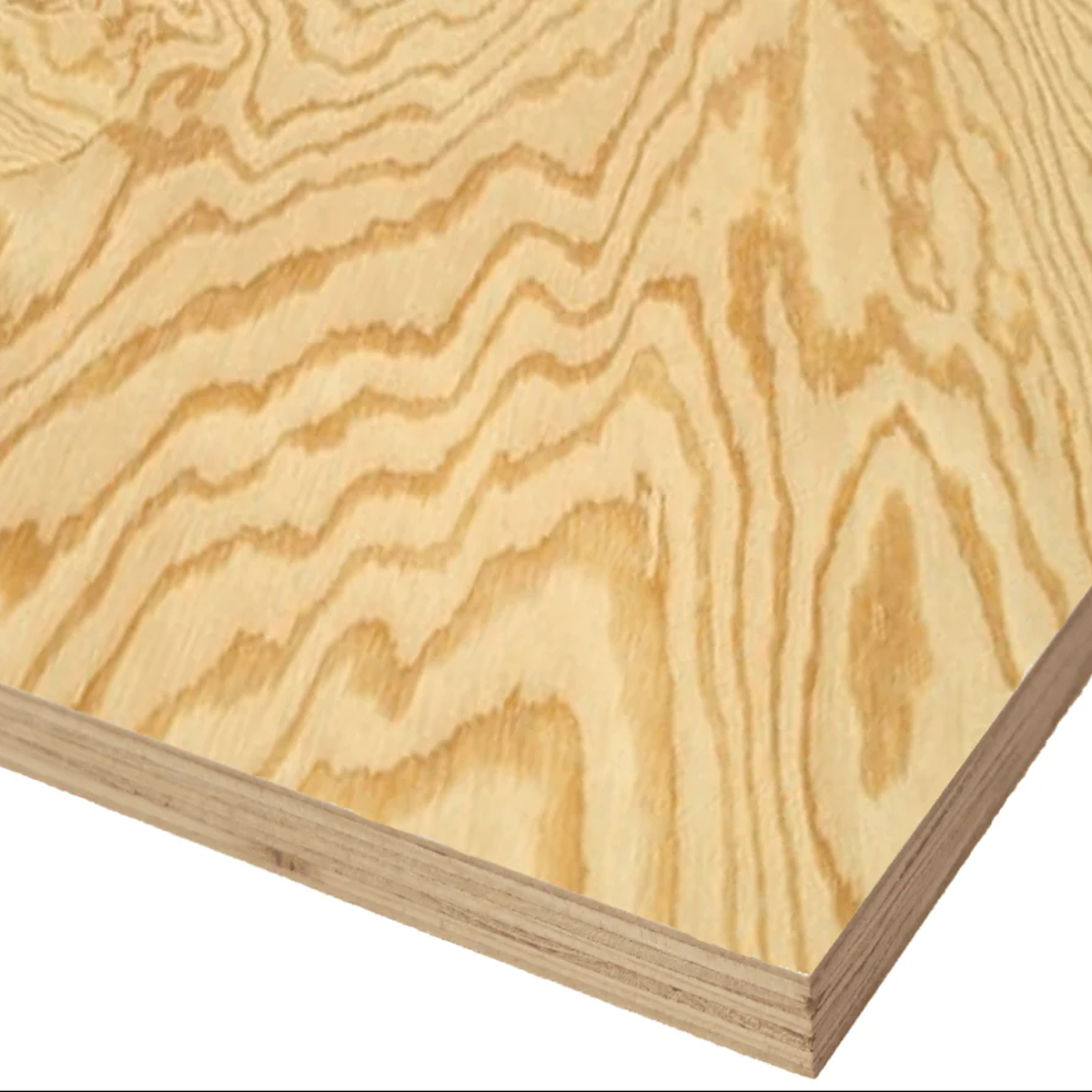
Plywood is an engineered wood product made from thin layers of wood veneers, known as plies, which are glued together to form a strong and stable sheet. It is widely used in construction, furniture making, and various other applications due to its versatility and strength. The manufacturing process of plywood involves several steps, including sawing, planing, and joining, which ensure a durable and high-quality end product.
Types of Plywood
Plywood is available in different types, each tailored for specific applications:
- Softwood Plywood: Made from coniferous trees such as pine, fir, and cedar, softwood plywood is known for its affordability and versatility. It is commonly used for structural purposes in construction, such as roof sheathing and wall panels.
- Hardwood Plywood: Crafted from hardwood trees like oak, birch, and maple, this type of plywood boasts exceptional strength and durability. It is preferred for fine woodworking, cabinetry, and decorative applications due to its attractive grain patterns.
- Marine Plywood: Specifically designed for water-related applications, marine plywood is treated to resist moisture and rot. This makes it ideal for boat construction and outdoor projects that are exposed to harsh environmental conditions.
- Exterior Plywood: Suited for outdoor use, exterior plywood features water-resistant adhesive and is ideal for siding, roofing, and other applications exposed to the elements.
- Interior Plywood: Used primarily in dry environments, interior plywood is suitable for furniture, cabinetry, and decorative projects.
- Tropical Plywood: Manufactured from tropical hardwood species, tropical plywood is engineered to withstand high humidity and moisture, making it a great choice for marine and outdoor applications.
- Flexible Plywood: Also known as bendable plywood, this type can be easily shaped into curved forms, making it useful for projects that require unique designs, such as architectural elements and furniture.
- Decorative Plywood: Designed to be visually appealing, decorative plywood features intricate patterns or colors on its top layer, making it suitable for interior design and artistic projects.
Plywood Grades
Plywood is graded based on the quality and appearance of its veneers, with grades ranging from A to D. Grade A plywood has the highest quality surface with minimal imperfections, making it suitable for visible applications. Lower grades, such as C and D, may have more knots and surface flaws, which can be appropriate for structural applications where appearance is less critical.
Applications of Plywood
Plywood is widely utilized across various sectors, including:
- Construction: It is commonly used for structural components, such as sheathing and subflooring, due to its strength and stability.
- Furniture Making: Hardwood plywood is favored for creating durable and aesthetically pleasing furniture pieces.
- Marine Applications: Marine plywood is essential for building boats and docks, ensuring longevity in water-related environments. The versatility of plywood allows it to serve a wide array of projects, from DIY crafts to large-scale construction, making it an invaluable material in modern architecture and design.
Oriented Strand Board (OSB)
Oriented Strand Board (OSB) is a widely used engineered wood product created by bonding together strands of wood with adhesives, which are then compressed under heat and pressure. It is recognized for its strength, versatility, and cost-effectiveness, making it a popular choice in various construction applications, particularly in residential building projects.
Uses of OSB
OSB is frequently utilized in the construction of new residential dwellings for applications including wall, floor, and roof sheathing. It is often selected as a cost-effective alternative to plywood, especially in load-bearing scenarios. OSB panels can also serve as a sub-floor beneath hardwood or vinyl flooring, and they are commonly used in furniture manufacturing due to their structural integrity. Despite its advantages, OSB is not typically recommended for high-end cabinetry or fine furniture due to its rougher surface finish. Nonetheless, it remains a reliable choice for structural elements in various construction projects, contributing to the growing trend of using engineered wood in green building initiatives.
Characteristics and Production
OSB is manufactured from rectangular-shaped strands of wood that are oriented in layers and bonded using moisture-resistant, heat-cured adhesives. The process involves laying the wood strands in a cross-hatched pattern, resulting in a product that boasts impressive strength and rigidity. OSB is produced in large continuous mats, ensuring consistent quality with no laps, gaps, or voids. The boards are available in various sizes and thicknesses, with options for enhanced moisture resistance or premium quality. Although OSB typically has a coarser finish compared to plywood, it is often preferred for its lower cost and ease of use in applications such as flooring, roofing, and wall sheathing.
Advantages and Limitations
The primary advantages of OSB include its consistent density, versatility, and affordability compared to traditional plywood. Additionally, OSB is considered more environmentally friendly as it utilizes fast-growing trees and wood waste, contributing to a reduction in carbon emissions when used in place of steel or concrete. However, OSB does have limitations; it can be less durable than other wood products and may be more susceptible to water damage if not properly protected. Proper installation techniques, including gapping to accommodate expansion and contraction, are essential to maximize the performance of OSB in various applications.
Medium Density Fiberboard (MDF)
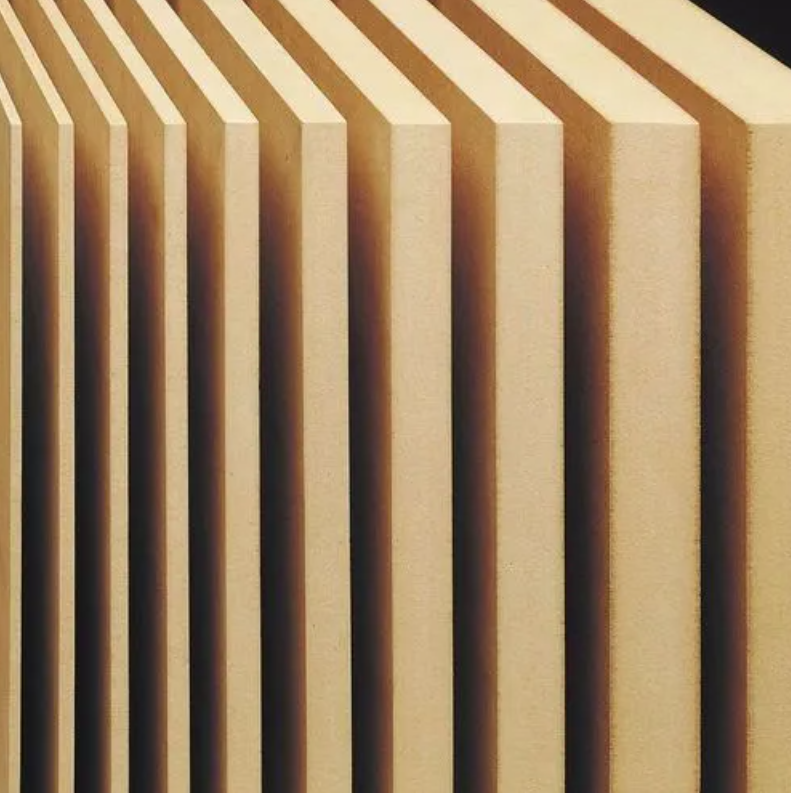
Medium Density Fiberboard (MDF) is a popular engineered wood product known for its versatility, affordability, and ease of use. Made from wood fibers, resin, and wax, MDF is created by breaking down hardwood or softwood residuals, combining them with adhesives, and applying heat and pressure to form dense, uniform panels. The resulting material is characterized by its smooth surface, making it an ideal choice for applications that require precision and a polished appearance.
Properties and Characteristics
MDF is known for several key properties that contribute to its widespread use:
- Smooth Surface: MDF’s surface is exceptionally smooth, allowing for high-quality finishes when painted, veneered, or laminated. This smoothness enables precise cutting and shaping, ensuring that panels fit seamlessly into their intended spaces.
- Dimensional Stability: Unlike natural wood, MDF is less susceptible to warping or shrinking, making it a reliable choice for various construction and design projects.
- Consistent Density: The uniform composition of MDF reduces the risk of imperfections, such as voids or knots, which can be found in natural wood. This consistency is particularly important in applications that require a uniform appearance.
Advantages of MDF
MDF offers several advantages that make it an attractive option for builders and designers:
- Affordability: MDF is typically more cost-effective than solid wood and plywood, making it a budget-friendly alternative for various construction projects.
- Versatility: MDF can be easily shaped, cut, and routed, allowing for intricate designs and custom components. This adaptability makes it suitable for furniture making, cabinetry, and architectural details.
- Durability: When properly sealed and maintained, MDF can provide a durable and long-lasting solution for various applications. Its resistance to warping and cracking enhances its reliability over time.
- Environmentally Friendly: MDF is often made from recycled wood fibers, contributing to a more sustainable approach to wood manufacturing.
Applications
MDF is widely used across different sectors, including:
- Furniture Making: Its smooth surface and easy manipulability make MDF a preferred choice for creating furniture pieces that require intricate designs.
- Cabinetry: MDF is commonly used in kitchen and bathroom cabinetry due to its durability and aesthetic appeal.
- Interior Design: Its versatility allows MDF to be used in decorative elements, soundproofing panels, and flooring, enabling designers to achieve a variety of styles and finishes.
- Doors and Frames: MDF’s uniformity and ease of shaping make it suitable for manufacturing doors and frames, ensuring a polished look.

Particle Board
Particle board, also known as chipboard, is a type of engineered wood product that is created from a mixture of wood particles, such as wood chips, sawdust, and shavings, combined with synthetic resins or other suitable binders. This mixture is then subjected to heat and pressure to form solid panels. Since its introduction in the 1940s, particle board has gained popularity as a cost-effective alternative to traditional wood materials like plywood.
Types of Particle Board
There are various types of particle boards designed for specific uses. For example, veneered particle boards offer an attractive finish for aesthetic applications, while laminated particle boards are particularly suited for moisture-prone areas like kitchens and bathrooms. The mix of chemicals, wetting agents, and wax in the finishing process also contributes to improved resistance against insects, water, and fire.
Manufacturing Process
The manufacturing process of particle board involves several steps. Initially, wood waste materials are collected and broken down into smaller particles. These particles are then mixed with adhesives and other chemicals before being pressed into molds. The application of heat and pressure results in a smooth, dense board that is suitable for a variety of applications, including furniture, cabinetry, and shelving.
Properties and Applications
Particle board is valued for its affordability and uniform density, making it a popular choice for projects with budget constraints. Its cost-effectiveness is one of its most significant advantages when compared to other composite woods like plywood and medium-density fiberboard (MDF). Additionally, particle board can be coated with a melamine-urea formaldehyde resin, enhancing its water resistance and providing various color options without the need for painting. Despite its many benefits, particle board has some limitations. It lacks the internal strength of solid wood and is prone to moisture-related issues such as expansion, discoloration, and warping when not properly sealed. Consequently, particle board is typically used in non-structural applications, where aesthetic appeal and cost are prioritized over strength and durability.
Laminated Veneer Lumber (LVL)
Laminated Veneer Lumber (LVL) is a type of engineered wood product created by bonding multiple layers of thin wood veneers together, similar to the process used for plywood. The veneers are oriented with their grains running parallel to the long direction of the product, which provides enhanced strength and stability compared to traditional lumber. This structural material is notable for its high load-bearing capacity, making it a favored choice in various construction applications.
Properties of LVL
LVL is characterized by its high density and uniformity, which result from the careful arrangement and bonding of the wood veneers using resins and adhesives. This process not only enhances the mechanical properties of the wood but also improves its dimensional stability, reducing issues such as warping, bowing, and shrinking. However, LVL has a single strength axis, meaning it is primarily designed to support loads in one direction only.
Applications of LVL
Due to its strength and stability, LVL is widely used in construction for beams, headers, rim boards, and other structural components. It is particularly suitable for applications that require long spans and high load capacities, such as roof and floor joists in both residential and commercial buildings. Its versatility allows for custom fabrication to various lengths, further enhancing its appeal in the construction industry.
Advantages of Using LVL
Engineered wood products like LVL offer several advantages over traditional solid wood. These include improved strength and durability, greater dimensional stability, cost-effectiveness, and environmental sustainability, as they can be manufactured from smaller trees and wood waste. This makes LVL not only a practical choice for construction but also an eco-friendly option for builders and homeowners alike.

Cross-Laminated Timber (CLT)
Cross-laminated timber (CLT) is an innovative type of engineered wood product made by stacking several layers of kiln-dried lumber boards in alternating directions, which are then glued together. This configuration, typically consisting of three, five, seven, or more layers, enhances the strength and stability of the material, making it suitable for various construction applications, including walls, floors, and roofs in multi-story buildings.
Properties and Advantages
One of the key advantages of CLT is its exceptional structural rigidity. The perpendicular arrangement of the wood fibers in each layer helps to mitigate issues of dimensional instability often associated with traditional timber, such as swelling and shrinkage, while significantly improving load-bearing capacity. As a result, CLT has a strength comparable to that of reinforced concrete, which allows it to perform well under seismic forces, making it particularly beneficial in earthquake-prone regions. In addition to its structural benefits, CLT boasts a favorable strength-to-weight ratio and good fire resistance, further contributing to its appeal as a sustainable building material. The prefabricated nature of CLT facilitates rapid assembly on-site, thus reducing overall construction time and labor costs Furthermore, it is considered a low-carbon material, as it can potentially replace more carbon-intensive materials like steel and concrete in construction, thereby reducing the overall carbon footprint of buildings.
Applications
CLT is increasingly being utilized in a variety of building projects, from residential homes to large commercial structures. Its versatility allows it to be used not only in load-bearing applications but also as non-load-bearing elements, contributing to architectural aesthetics while maintaining structural integrity. Notable examples include the Brock Commons Tallwood House in Vancouver, which exemplifies the use of CLT in high-rise construction.
Benefits of Engineered Wood
Engineered wood offers a multitude of advantages that make it an increasingly popular choice in construction and design applications.
Sustainability
From an environmental perspective, engineered wood is a more sustainable option than traditional solid wood. It can be produced using younger, fast-growing trees, which helps reduce the demand for old-growth timber and supports sustainable forestry practices. Additionally, engineered wood often utilizes wood waste and by-products, contributing to waste reduction and maximizing resource utilization. Certifications like the Forest Stewardship Council (FSC) ensure that these materials are sourced responsibly, appealing to eco-conscious consumers.
Cost-Effectiveness
While initial costs for engineered wood products may appear higher, their long-term value is enhanced by lower maintenance needs and durability. They also often result in reduced utility bills due to better thermal performance, making them a cost-effective solution over time.
Strength and Durability
One of the primary benefits of engineered wood is its enhanced strength and durability compared to traditional solid wood. The bonding process used in the creation of engineered wood products significantly reduces the likelihood of warping, splitting, or cracking, making it ideal for high-stress applications such as flooring, framing, and millwork. Products like glulam and cross-laminated timber (CLT) are known for their superior load-bearing capabilities, which further solidifies their reliability for large-scale construction projects, including high-rise buildings and bridges.
Stability and Resistance
Engineered wood also provides increased stability, making it suitable for use in environments where temperature and humidity fluctuate, such as basements and attics. This stability minimizes issues commonly associated with solid wood, such as shrinking and swelling. The layered construction of engineered wood, with grains oriented in different directions, contributes to its structural integrity and resistance to warping and splitting.
Design Flexibility
Another significant advantage of engineered wood is the design flexibility it offers architects and designers. Engineered wood can be manufactured in a variety of shapes, sizes, and textures, enabling innovative and creative designs for both construction and interior applications. This versatility allows for wider beams and unique architectural features that are often challenging to achieve with solid wood.
Challenges and Limitations
Limited Availability
A significant challenge associated with eco-friendly lumber is its limited availability, primarily due to stringent sourcing requirements. Although regions like Oregon provide various eco-friendly timber options, the supply may not always align with demand, complicating the procurement process for builders. This scarcity can prolong construction timelines as contractors might need to seek alternative materials or wait for shipments, potentially straining project budgets and forcing developers to reassess their plans.
Higher Initial Costs
Eco-friendly lumber often incurs higher initial costs compared to traditional materials, which can deter builders from using them. Despite this, it is crucial to consider the long-term savings and benefits, such as reduced maintenance expenses over the lifespan of the structure.
Integration Among Sectors
Effective integration among key sectors—including forestry, lumber, architecture, and engineering—is essential to maximize the advantages of eco-friendly lumber. The absence of such integration can lead to operational challenges, such as inadequate raw material management and improper wood drying and storage processes, negatively impacting the production of structural components and the overall quality of the buildings.
Compliance and Certification Challenges
Manufacturers of engineered wood face significant challenges in meeting environmental and quality standards, particularly due to the high costs associated with obtaining necessary certifications, such as those from the Forest Stewardship Council. Compliance requires traceable supply chains and adherence to rigorous environmental standards, which can increase operational costs and present substantial hurdles, especially for smaller firms.
Carbon Emissions Concerns
While engineered wood presents an opportunity to reduce carbon emissions in urban construction, the potential for conventional materials to be produced in a less carbon-intensive manner in the future introduces uncertainty regarding the long-term benefits of switching to engineered wood. As urban populations grow, the reliance on engineered wood is viewed as a critical component in mitigating climate change, but this also hinges on ongoing research and development in reducing emissions associated with traditional building materials.
Environmental Impact of Logging
The sustainability of eco-friendly lumber is also contingent upon responsible logging practices. Logging in biodiverse tropical forests, for example, can lead to significant biodiversity loss if not managed properly. Sustainable forestry management practices emphasize harvesting trees only when they are mature, allowing for regrowth that can mitigate climate change by sequestering carbon.
Transparency and Traceability Issues
A notable concern in the utilization of eco-friendly lumber is the need for improved transparency and traceability in sourcing. Architects and builders may inadvertently mislead themselves about the real emissions associated with the materials they use, highlighting the necessity for better information and management tools in the industry.
Innovations in Engineered Wood Technology
Engineered wood is a composite material created from remnants of traditional lumber, such as sawdust and trimmings, bonded together with adhesives and other materials. This technology has advanced significantly, enhancing the durability, sustainability, and versatility of wood products used in construction and design. Recent innovations have expanded the possibilities for engineered wood, resulting in stronger and more resilient materials that also meet eco-friendly standards.
Recent Advancements in Engineered Wood
Over the last few years, remarkable progress has been made in engineered wood technology.
- Enhanced Adhesives: New adhesive formulations have improved the strength and moisture resistance of engineered wood products, allowing them to perform better in various environments.
- Tailored Properties: Techniques involving chemical and physical treatments of natural wood have been developed to achieve specific mechanical, optical, thermal, and conduction properties, resulting in products that are customized for particular applications.
Environmental Sustainability
As demand for sustainable building materials increases, engineered wood has emerged as a solution to alleviate environmental concerns associated with traditional lumber harvesting. Innovations have focused on creating products from responsibly sourced or recycled wood, as well as alternative materials like bamboo. This shift toward sustainable practices is being driven by both consumer demand and regulatory pressures, leading to a growing emphasis on eco-friendly engineered wood solutions.
Automation and Robotics in Production
The integration of automation and robotics in engineered wood manufacturing has significantly improved efficiency and precision. Automated systems can perform tasks such as cutting, sanding, and finishing with minimal human intervention, resulting in faster production times and reduced labor costs. This technological shift not only enhances the quality and consistency of engineered wood products but also supports manufacturers in meeting rising market demands. As the industry evolves, these advancements will likely continue to shape the future of engineered wood technology.
Market Trends and Demand
The engineered wood products market has been experiencing significant growth driven by several key factors. The increasing demand for residential and commercial construction is a major contributor, alongside the rising need for environmentally friendly and durable flooring options, which presents an alternative to traditional sawn wood. Market trends indicate that consumers are becoming more aware of sustainable construction practices, thus elevating the demand for engineered wood products globally.
Growth Projections
According to recent analyses, the engineered wood products market is expected to continue its expansion in the coming years. For instance, the Asia Pacific region is projected to dominate the market, accounting for approximately 35% of the global market share and exhibiting a compound annual growth rate (CAGR) of 7.2% from 2024 to 2032. Rapid urbanization and industrialization in countries like China and India, along with lower labor costs and abundant raw materials, further enhance the market potential in this area.
Application Segmentation
Engineered wood products are categorized into various applications, including construction, furniture, flooring, and packaging. The construction sector is particularly influential in driving demand, as governments worldwide push for innovative building methods to meet the increasing need for housing and infrastructure. Reports suggest that during the period from 2019 to 2041, Europe is expected to witness a 16% increase in household growth, necessitating a swift response in construction capabilities.
Market Dynamics
Market volatility presents both challenges and opportunities within the sector. Factors such as fluctuating prices for oriented strand boards (OSB) and lead times have impacted supply chains, compelling businesses to adapt quickly to changing conditions. Analysts remain cautiously optimistic about the future, highlighting that a strong labor market and declining inflation are likely to bolster consumer spending and facilitate an economic ‘soft landing’.
Regional Insights
While the Asia Pacific region leads in growth, North America and Europe are also projected to maintain steady growth rates due to established practices and stringent environmental regulations related to engineered wood products. In contrast, Latin America and the Middle East and Africa are emerging markets fueled by increasing infrastructural investments and heightened awareness of sustainable construction methods.
Contact us
Product Category
Hot Sales Boxes
When Was Plywood Invented? Origins,development & Impact
Plywood is an engineered wood product consisting of multiple layers of thin wood veneers glued together, which provides enhanced strength and stability.

How To Use Luan? And what’s Luan Flooring
Luan, also known as Lauan or Philippine mahogany, is a type of hardwood plywood primarily sourced from tropical trees in Southeast Asia, particularly the Philippines.

What is Luan underlayment?The Price Of Luan Underlayment
Luan underlayment, derived from thin sheets of plywood made from the Lauan tree, is a widely used material in construction and interior applications.

How to successfully remove hardwood flooring
Removing hardwood flooring can be a rewarding project, but it requires the right tools, techniques, and preparation.

Different Types Of Engineered Wood And Their Uses
Engineered wood refers to a range of composite wood products created by binding together wood strands, fibers, or veneers with adhesives, resulting in materials that possess enhanced strength, stability, and versatility compared to traditional solid wood.
- +86 150 5090 7673
- www.haruplywood@outlook.com
- Mon-Fri 9:00AM - 5:00PM
Facebook
Twitter
LinkedIn
Tags
When Was Plywood Invented? Origins,development & Impact
Plywood is an engineered wood product consisting of multiple layers of thin wood veneers glued together, which provides enhanced strength and stability.
How To Use Luan? And what’s Luan Flooring
Luan, also known as Lauan or Philippine mahogany, is a type of hardwood plywood primarily sourced from tropical trees in Southeast Asia, particularly the Philippines.
What is Luan underlayment?The Price Of Luan Underlayment
Luan underlayment, derived from thin sheets of plywood made from the Lauan tree, is a widely used material in construction and interior applications.