How to successfully remove hardwood flooring
Table of Contents
How to Successfully Remove Hardwood Flooring: A Step-by-Step Guide
Whether you’re upgrading your floors, remodeling a room, or replacing old hardwood with plywood or other materials, it’s important to approach the task carefully to avoid damage to your subfloor and minimize mess. In this guide, we will walk you through how to successfully remove hardwood flooring, while incorporating insights that relate to the strength and durability of materials like plywood, which may come into play when re-flooring or rebuilding after removal.
Step 1: Gather Your Tools and Materials
Before you begin, it’s essential to gather the right tools for the job. Proper tools will make the removal process smoother and more efficient, ensuring you get the job done correctly while protecting the subfloor beneath the hardwood.
Tools You’ll Need:
- Crowbar or pry bar
- Hammer
- Utility knife
- Circular saw or oscillating tool (optional)
- Knee pads for comfort
- Work gloves for hand protection
In some cases, you might need a tool like a circular saw to cut through large panels or remove glued-together sections. A utility knife is useful for cutting through plywood panels or underlayment if you need to access the subfloor below.
Step 2: Prepare the Room
Removing hardwood flooring can be a messy job, so take steps to protect your surroundings. Remove furniture and cover nearby walls and fixtures with drop cloths or plastic sheeting to prevent dust and debris from spreading. It’s also a good idea to wear a dust mask, as the removal process can create a significant amount of dust, particularly if you’re working with older flooring that’s been glued or nailed down.
Step 3: Start at the Edge or a Corner
The key to removing hardwood flooring is to start at the edges or a corner of the room, where you can lift the first plank or panel. Once you’ve selected a starting point, use a crowbar or pry bar to gently pull up the edge of the flooring. Be careful not to damage the subfloor beneath, as you may need to reuse it or install a new layer of plywood later.
Step 4: Remove the Hardwood Planks
After lifting the first piece of hardwood, continue to pry up the subsequent planks. If the hardwood is nailed down, you may need to use the hammer to tap the pry bar underneath each plank. If the flooring is glued together, you’ll need to be more patient and use a tool like an oscillating saw to break the bond of the glue. In some cases, you can soften the glue by applying heat with a heat gun, making it easier to remove the planks without damaging the underlying plywood.
If your hardwood floor has been installed over plywood or another underlayment, you may encounter some difficulty separating the two materials. In this case, you’ll need to carefully assess the size of the gap between the plywood and the hardwood to ensure you’re not damaging the plywood during removal.
Step 5: Address Stubborn Nails or Staples
In some cases, the hardwood planks may be secured with nails or staples. These can be tricky to remove, especially if they are deeply embedded into the plywood or subfloor. A hammer or pry bar can help, but if the nails are too stubborn, you might need to use a pair of pliers or a special tool designed for removing nails. If the nails are stuck in Baltic birch or another strong wood material, it may take a little extra effort to remove them without causing damage.
Step 6: Remove Underlayment or Adhesive
Once all the hardwood planks are removed, you may have to deal with remnants of underlayment or adhesive that was used to secure the flooring. If your hardwood was laid over plywood panels or another type of substrate, you’ll need to remove any leftover material to prepare for the new floor.
Use your utility knife to carefully cut through the layer of underlayment or adhesive. If the adhesive is particularly strong, consider using a solvent or adhesive remover to soften it. Be sure to follow the manufacturer’s instructions for any adhesive removal product you use.
Step 7: Inspect and Prepare the Subfloor
After you’ve successfully removed the hardwood floor and any remaining adhesive or underlayment, inspect the plywood or subfloor beneath. Check for any signs of damage, moisture, or rot. If you find any issues, you may need to replace sections of the plywood before laying down new flooring.
If the subfloor is intact and level, you’re ready to begin your next flooring project. You may want to install a new layer of plywood, especially if you plan to lay down vinyl, laminate, or engineered wood flooring. Plywood is a fantastic material for subfloors because of its strength, flexibility, and durability, offering a stable foundation for a variety of flooring options.
Step 8: Clean Up the Area
Removing hardwood flooring can create a lot of debris, so it’s essential to clean up the area once the project is complete. Sweep or vacuum the room to remove any dust, nails, or wood scraps. If you plan to install new plywood or other materials, ensure the subfloor is clean and ready for the next stage of your project.
Tips for Working with Plywood and Hardwood Flooring
-
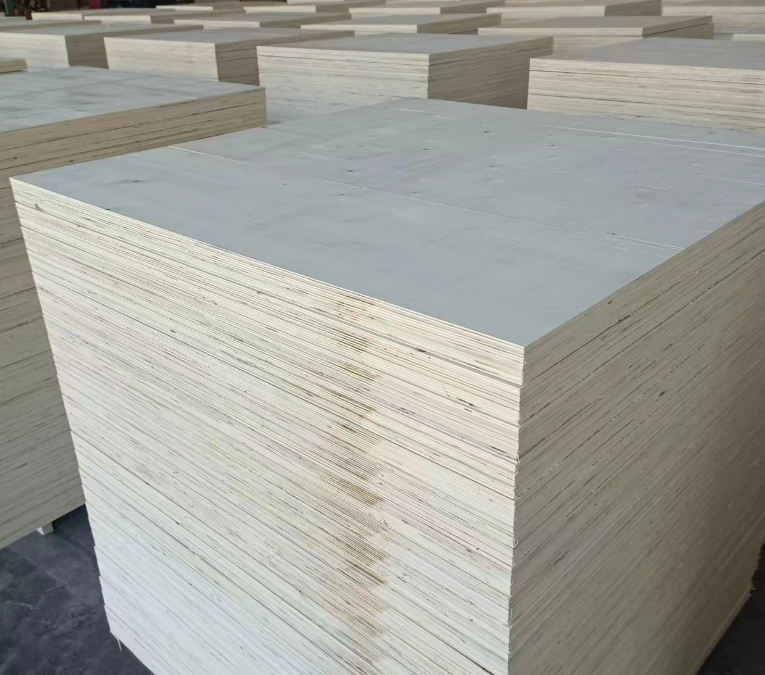
Strength of Plywood: When re-flooring or working with plywood in your home improvement project, remember that plywood panels provide excellent strength and stability, especially when used as a subfloor or underlayment.
-
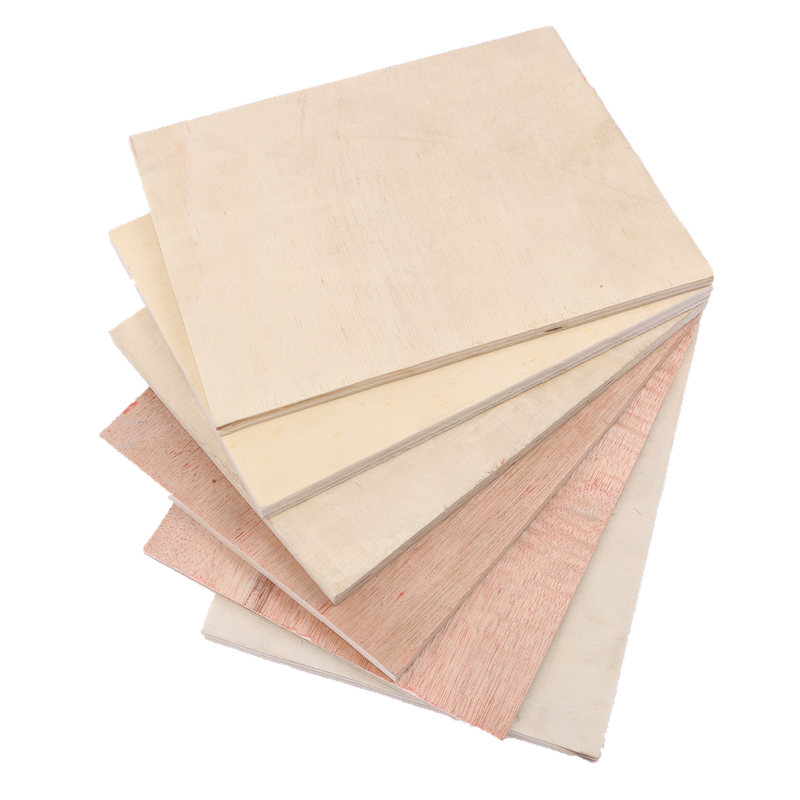
Consider the Veneer: If you’re using plywood for new flooring or subflooring, remember that veneer-faced plywood offers an attractive finish that can be used in visible areas while maintaining the strength required for the structural aspects of your project.
-
Size Matters: When selecting plywood for your project, consider the size of the panels and the thickness you require. Thicker panels provide better support and stability, especially if you’re dealing with a larger area or heavier flooring materials.
-
Material Compatibility: When replacing your hardwood flooring, ensure that the new material you choose, whether it’s plywood, laminate, or engineered wood, is compatible with the existing subfloor material. The material of the subfloor will determine the appropriate adhesive or nails you should use.
Conclusion
Removing hardwood flooring may seem like a daunting task, but with the right tools and a bit of patience, it’s entirely manageable. By following these steps, you can successfully remove the old flooring while preserving the integrity of the subfloor or plywood beneath. Once the old flooring is gone, you can explore your options for new floors, including those made from high-quality materials like plywood. Remember that plywood offers both durability and versatility, making it an excellent choice for various flooring projects and home improvements.
Contact us
Product Category
Hot Sales Boxes

When Was Plywood Invented? Origins,development & Impact
Plywood is an engineered wood product consisting of multiple layers of thin wood veneers glued together, which provides enhanced strength and stability.

How To Use Luan? And what’s Luan Flooring
Luan, also known as Lauan or Philippine mahogany, is a type of hardwood plywood primarily sourced from tropical trees in Southeast Asia, particularly the Philippines.

What is Luan underlayment?The Price Of Luan Underlayment
Luan underlayment, derived from thin sheets of plywood made from the Lauan tree, is a widely used material in construction and interior applications.

How to successfully remove hardwood flooring
Removing hardwood flooring can be a rewarding project, but it requires the right tools, techniques, and preparation.

Different Types Of Engineered Wood And Their Uses
Engineered wood refers to a range of composite wood products created by binding together wood strands, fibers, or veneers with adhesives, resulting in materials that possess enhanced strength, stability, and versatility compared to traditional solid wood.
- +86 150 5090 7673
- www.haruplywood@outlook.com
- Mon-Fri 9:00AM - 5:00PM
Tags

When Was Plywood Invented? Origins,development & Impact
Plywood is an engineered wood product consisting of multiple layers of thin wood veneers glued together, which provides enhanced strength and stability.

How To Use Luan? And what’s Luan Flooring
Luan, also known as Lauan or Philippine mahogany, is a type of hardwood plywood primarily sourced from tropical trees in Southeast Asia, particularly the Philippines.

What is Luan underlayment?The Price Of Luan Underlayment
Luan underlayment, derived from thin sheets of plywood made from the Lauan tree, is a widely used material in construction and interior applications.


