
When Was Plywood Invented? Origins,development & Impact
Table of Contents
summary
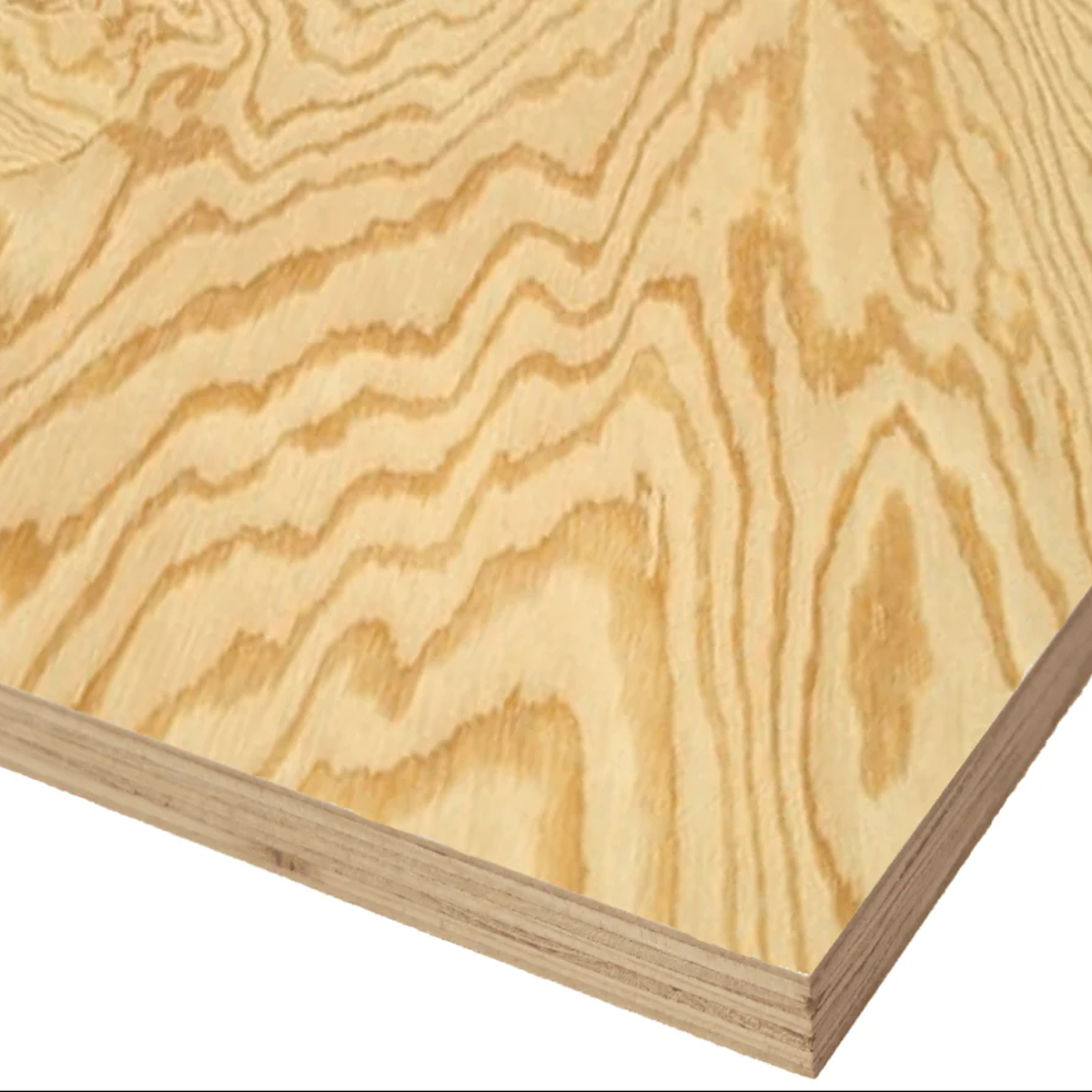
Plywood is an engineered wood product consisting of multiple layers of thin wood veneers glued together, which provides enhanced strength and stability.
The origins of plywood can be traced back to ancient civilizations, where early laminated wood techniques were employed, particularly in ancient Egypt around 3000 B.C. However, the modern invention of plywood emerged in the late 18th century, culminating in a patent issued to John K. Mayo in 1865, which introduced the concept of layering wood sheets with their grains oriented at various angles to improve the material’s durability and resistance to warping. This innovation set the stage for plywood’s widespread adoption in construction and design. The industrial revolution in the 19th century marked a turning point for plywood production, with significant advancements in mechanization and adhesive technologies leading to its mass production by the early 20th century. By 1905, companies began laminating wood panels, with the material rapidly gaining popularity due to its cost-effectiveness, lightweight nature, and versatility in various applications, including residential and commercial construction. Prominent designers such as Charles and Ray Eames further elevated plywood’s status in the furniture industry, showcasing its aesthetic and functional potential. Plywood’s impact extends beyond architecture and design; it has influenced various industries, including automotive, marine, and furniture manufacturing, demonstrating its adaptability and multifaceted applications. Additionally, plywood is often regarded as a sustainable building material when sourced responsibly, contributing to environmental conservation efforts through recycling and efficient resource utilization. Despite its many advantages, the plywood industry has faced controversies related to sustainability and labor practices, particularly concerning deforestation and the sourcing of raw materials. The balance between demand for plywood and responsible forestry practices continues to be a pertinent issue in discussions about its environmental impact and the future of wood manufacturing.

Historical Background
The history of woodworking and the use of wood as a building material can be traced back to ancient civilizations, where early techniques laid the groundwork for the eventual invention of plywood. Early Chinese civilizations are credited with significant advancements in woodworking around 720 B.C., developing sophisticated applications and precise measurements for crafting various furniture and objects. Notably, the renowned carpenter Lu Ban is believed to have originated many essential woodworking tools and practices in China, with his teachings compiled in the “Lu Ban Jing,” which included detailed instructions for creating wooden items and advice on Feng Shui. Simultaneously, ancient Egyptians demonstrated remarkable woodworking skills despite the scarcity of local timber. Their woodworkers utilized an array of tools including axes, chisels, and bow drills, enabling them to create complex joints like mortise and tenon, which were reinforced with pegs and animal glue during the New Kingdom period (1570 – 1069 B.C.). Physical evidence of their craftsmanship, such as intricately designed furniture and sarcophagi, has been discovered well-preserved in tombs due to Egypt’s arid climate, indicating a highly developed woodworking tradition. In the Near East, woodworking practices also flourished, as referenced in Biblical texts like the Book of Exodus, which recounts the creation of wooden holy items for the ancient Hebrews. These early practices exemplify the widespread importance of woodworking across various ancient civilizations, each contributing to the evolution of woodcraft techniques. As time progressed, the Industrial Revolution in the 18th and 19th centuries marked a significant turning point in carpentry and woodworking. The advent of steam-powered machinery revolutionized the processing and shaping of wood, leading to mechanization in the carpentry industry. This mechanization enabled greater efficiency and precision in the production of wooden goods and structures, paving the way for innovations such as plywood, which would later emerge as a versatile building material. Through these historical developments, woodworking has evolved from simple, handcrafted techniques to the advanced methods employed today, culminating in the creation of plywood as a composite material that utilizes the strengths of various wood layers.
Invention of Modern Plywood
The modern concept of plywood can be traced back to the late 18th century, with its first patent issued in 1865 to John K. Mayo of New York. Mayo’s innovative approach involved laminating thin sheets of wood with their grains oriented at various angles, thereby enhancing the strength and stability of the material. Although Mayo’s vision laid the groundwork for future developments, it took several more decades for the technology and production processes to mature sufficiently for plywood to become widely used. The manufacturing of plywood began in earnest in 1905, when the Portland Manufacturing Company, originally a small wooden box factory, started laminating wood panels from various Pacific Northwest softwoods. The demand for this engineered wood product quickly increased, leading to significant advancements in production techniques. By 1907, automatic glue spreaders and sectional hand presses were installed to meet the growing need, marking a pivotal moment in plywood production. As builders and manufacturers began to recognize the advantages of plywood, its applications expanded beyond its initial uses in boat construction and door manufacturing. The material’s structural integrity, resistance to moisture, and cost-effectiveness made it an ideal choice for roofing, wall sheathing, and a variety of other construction applications. By the early 20th century, plywood had become a staple in both residential and commercial building projects, fundamentally changing construction practices. In addition to its architectural applications, plywood gained prominence in the furniture industry, especially through the works of influential designers like Charles and Ray Eames. Their innovative use of plywood in furniture design showcased the material’s potential for elegance and functionality, elevating it to a celebrated status in the world of design. This intersection of material science and artistic vision has left a lasting impact on how plywood is perceived and utilized in modern applications.
Evolution of Plywood Technology
The evolution of plywood technology traces back to ancient civilizations, where early forms of laminated wood techniques were explored. Evidence suggests that the origins of plywood can be found in ancient Egypt around 3000 BC, where artisans experimented with wood layers to enhance strength and durability in construction materials. This innovative approach laid the groundwork for what would later evolve into modern plywood.
Development through the Ages
Early Innovations
Plywood’s development progressed slowly over the centuries. Early wood manufacturing techniques focused primarily on solid timber, but the desire for stronger and more versatile materials led to the refinement of laminated wood methods. As societies advanced, so did the knowledge and application of woodworking techniques, culminating in more sophisticated forms of engineered wood products.
Industrial Revolution to Modern Era
The modern production of plywood began in the early 20th century, coinciding with the Industrial Revolution, which introduced mechanization and advanced manufacturing processes. The invention of modern adhesives allowed for more robust bonding between the layers of wood veneer, enabling the creation of thicker and more stable sheets of plywood. This era saw plywood becoming widely recognized for its lightweight, strength, and flexibility, characteristics that made it an attractive alternative to solid wood.
Technological Advancements
Cross-Laminating Process
A key technological advancement in plywood production is the cross-laminating process, which involves gluing together multiple thin sheets of wood with their grains oriented at 90-degree angles to one another. This technique significantly enhances the material’s resistance to warping, cracking, and shrinking, thereby improving overall durability and stability.
Automation and Robotics
In recent years, automation and robotics have further transformed plywood manufacturing. Advanced machinery now enables high precision in cutting, shaping, and finishing plywood products. This technology not only increases efficiency but also enhances product quality by reducing waste and ensuring consistent outcomes across large production runs. Computer Numerical Control (CNC) machines are now commonly used, allowing for intricate designs and customized wood products that meet specific consumer needs.
Impact on Architecture and Design
Plywood has significantly influenced modern architecture and design due to its unique properties and versatility. As architects seek materials that promote innovative designs while ensuring structural integrity, plywood has emerged as a preferred choice in contemporary construction practices.
Versatility and Aesthetic Appeal
Plywood’s ability to be cut, shaped, and formed enables architects to create intricate designs, including curved walls, facades, and sculptural installations. This versatility allows for the production of eye-catching architectural details that enhance the overall aesthetic of buildings. Moreover, its smooth finish and the warm texture of wood contribute to a welcoming atmosphere in various spaces, making it a popular choice for both residential and commercial projects.
Structural Integrity and Sustainability
The structural integrity of plywood is another reason for its widespread use in architecture. Its cross-laminated structure provides strength, stiffness, and resistance to warping or twisting, making it suitable for various construction techniques. These attributes are particularly beneficial in high-stress applications, such as roof sheathing and wall panels. Additionally, plywood is often viewed as a sustainable building material. Its production can involve renewable resources, and architects are increasingly seeking eco-friendly options in response to growing environmental concerns.
Trends in Material Use
Architectural trends are evolving, and as designers explore new styles and materials, plywood continues to adapt to these demands. The integration of traditional craftsmanship with modern techniques is paving the way for innovative woodwork that captivates both functionality and design aesthetics. Furthermore, the cost-effectiveness of plywood allows architects to allocate budgets efficiently, enabling its use in both large-scale and small-scale projects without compromising on quality or design.
Influence on Other Industries
The invention and development of plywood have significantly influenced various industries beyond its own. As a versatile engineered wood product, plywood’s unique properties have enabled its widespread adoption in multiple applications, leading to innovations and advancements in other sectors.
Automotive Industry
One of the earliest impacts of plywood was felt in the automotive industry, where it was utilized for components such as running boards. The lightweight and durable nature of plywood made it an ideal choice for automotive manufacturing, facilitating the production of more efficient vehicles. This trend of using engineered wood products in vehicles continues, with modern applications in interior design, structural components, and insulation materials.
Marine Applications
Plywood’s resistance to moisture and ability to be molded into various shapes have made it a popular material in the marine industry. Early canoe manufacturing by companies like Haskell showcased the advantages of using plywood for lightweight and durable designs, allowing for the production of canoes that could support significant weight while remaining buoyant. The techniques developed for water-resistant adhesives have also influenced the broader field of marine construction, leading to the use of plywood in boats, docks, and other watercraft.
Furniture Manufacturing
The furniture industry has also been transformed by the use of plywood. Its ability to be easily shaped and finished has allowed manufacturers to create aesthetically pleasing and functional designs while maintaining cost-effectiveness. The rise of mass customization in furniture production is partly attributed to advancements in digital manufacturing technologies, enabling the creation of bespoke plywood furniture at scale.
Construction Sector
In the construction industry, plywood has become a standard material for sheathing, flooring, and roofing applications. The use of engineered wood products like plywood has led to improvements in construction efficiency and sustainability. Modern building practices increasingly favor materials that minimize waste and promote energy efficiency, with plywood playing a crucial role in these initiatives. Additionally, the integration of automation and robotics in wood manufacturing has further enhanced the quality and consistency of plywood products, streamlining the construction process.
Environmental Impact
The focus on sustainability within the plywood industry has driven innovations in eco-friendly manufacturing practices, influencing other sectors to adopt similar approaches. For instance, advancements in sustainable adhesive systems, inspired by natural adhesion mechanisms found in marine organisms, are being researched and implemented in various industrial applications, showcasing how plywood production can lead to broader environmental benefits.

Environmental Considerations
Plywood is often regarded as a sustainable building material, primarily due to its renewable nature and the responsible sourcing of its raw materials. When manufactured from wood sourced from sustainably managed forests, plywood helps to minimize the impact of deforestation and forest degradation, contributing positively to environmental conservation efforts. Certification schemes, such as the Forest Stewardship Council (FSC) and the Programme for the Endorsement of Forest Certification (PEFC), verify that the wood used in plywood production comes from forests that are responsibly managed.
Recycling and Upcycling
One of the significant environmental benefits of plywood is its recyclability and potential for upcycling. At the end of its lifespan, plywood can be deconstructed and its wood fibers repurposed into new products, significantly reducing landfill waste and the demand for virgin wood resources. This circular approach not only extends the material’s lifespan but also promotes a more resource-efficient economy.
Low Carbon Footprint
Plywood boasts a lower carbon footprint compared to alternative construction materials such as concrete and steel. The manufacturing processes have evolved to optimize wood utilization, minimizing waste and energy consumption. Modern production techniques use energy-efficient machinery, resulting in lower greenhouse gas emissions during manufacturing, which aligns with sustainability goals and efforts to combat climate change.
Durability and Longevity
The durability of plywood also plays a crucial role in its environmental impact. Due to its layered structure, plywood is less prone to warping and cracking, which translates to a longer lifespan and reduced need for frequent replacements. This characteristic not only conserves resources but also minimizes waste generation over time, making plywood an attractive option for environmentally conscious builders and homeowners.
Considerations for Outdoor Use
For applications that require exposure to the elements, treated plywood can be used to enhance longevity and resistance to rot and decay. The choice of appropriate preservative treatments is essential in maintaining the integrity of plywood in outdoor settings, further supporting its sustainability as a building material.
Cultural and Economic Factors
The development of plywood is deeply intertwined with various cultural and economic factors throughout history. Wood, as a material, has been essential in shaping human civilizations, serving not only as a construction resource but also as a medium for artistic expression and cultural narratives. From ancient Egypt, where wooden furnishings were prevalent, to the maritime prowess of Venice, where timber was vital for shipbuilding, the significance of wood in society cannot be overstated.
The Influence of the Industrial Revolution
The Industrial Revolution marked a significant transformation in wood manufacturing processes. Prior to this era, wood production was predominantly a manual craft requiring skilled labor and hand tools, which resulted in slow and expensive manufacturing. However, with advancements in technology and mechanization during the Industrial Revolution, wood manufacturing became more efficient and productive. This transition facilitated a surge in the availability of wood products, including plywood, which emerged as a practical and economical alternative to traditional wood sources and metal materials, particularly during wartime.
Economic Drivers of Plywood Production
The economic landscape of the 20th century also played a pivotal role in the plywood industry’s growth. Following World War II, there was a heightened demand for affordable and versatile building materials due to reconstruction efforts in war-torn regions. Plywood’s unique properties—such as its strength, durability, and cost-effectiveness—made it an attractive choice for various applications, from residential construction to military uses, further solidifying its economic relevance. Moreover, the timber industry’s expansion in Southeast Asia, prompted by the need for efficient production methods, illustrates how economic conditions can accelerate the development and adoption of materials like plywood. As countries sought to optimize their resources for greater productivity, plywood gained traction as a sustainable and efficient option in an increasingly competitive market.
Social and Cultural Significance
Beyond economic factors, plywood’s evolution is also reflective of cultural trends and changing tastes in design and architecture. The post-war era saw a shift towards modernism, which emphasized functional design and the use of new materials. Plywood, with its flexibility and aesthetic appeal, became a favored material among architects and designers, contributing to a cultural shift in how spaces were conceptualized and constructed. This alignment of plywood with contemporary design philosophies helped it secure a permanent place in both residential and commercial architecture, influencing how societies viewed and utilized wood products.
Contact us
Product Category
Hot Sales Boxes

When Was Plywood Invented? Origins,development & Impact
Plywood is an engineered wood product consisting of multiple layers of thin wood veneers glued together, which provides enhanced strength and stability.

How To Use Luan? And what’s Luan Flooring
Luan, also known as Lauan or Philippine mahogany, is a type of hardwood plywood primarily sourced from tropical trees in Southeast Asia, particularly the Philippines.

What is Luan underlayment?The Price Of Luan Underlayment
Luan underlayment, derived from thin sheets of plywood made from the Lauan tree, is a widely used material in construction and interior applications.

How to successfully remove hardwood flooring
Removing hardwood flooring can be a rewarding project, but it requires the right tools, techniques, and preparation.

Different Types Of Engineered Wood And Their Uses
Engineered wood refers to a range of composite wood products created by binding together wood strands, fibers, or veneers with adhesives, resulting in materials that possess enhanced strength, stability, and versatility compared to traditional solid wood.
- +86 150 5090 7673
- www.haruplywood@outlook.com
- Mon-Fri 9:00AM - 5:00PM
Facebook
Twitter
LinkedIn
Tags
When Was Plywood Invented? Origins,development & Impact
Plywood is an engineered wood product consisting of multiple layers of thin wood veneers glued together, which provides enhanced strength and stability.
How To Use Luan? And what’s Luan Flooring
Luan, also known as Lauan or Philippine mahogany, is a type of hardwood plywood primarily sourced from tropical trees in Southeast Asia, particularly the Philippines.
What is Luan underlayment?The Price Of Luan Underlayment
Luan underlayment, derived from thin sheets of plywood made from the Lauan tree, is a widely used material in construction and interior applications.