How To Use Luan? And what’s Luan Flooring
Table of Contents
summary
It is widely recognized for its lightweight nature, smooth surface, and versatility in a variety of applications, making it a favored choice among DIY enthusiasts and construction professionals alike. Luan is commonly used as underlayment for flooring, as well as for cabinetry and decorative projects, due to its affordability and ease of use. Despite its advantages, Luan has garnered attention for its environmental impact, as its production is linked to deforestation in Southeast Asia, raising sustainability concerns among consumers. Additionally, while Luan is praised for its aesthetic qualities and workability, it is not waterproof, leading to potential issues with moisture exposure that can result in swelling and deterioration over time. These characteristics necessitate careful consideration in its use and installation, especially in humid environments. The preparation and installation of Luan require specific techniques to maximize its performance, including proper cutting methods and surface finishing. Professionals recommend using Luan with other materials to bolster its structural integrity, particularly when utilized in flooring applications. The ongoing debate surrounding the sustainability of Luan sourcing and its performance in various conditions underscores its complexity as a material choice in modern construction and design practices. As the demand for Luan continues, understanding both its benefits and drawbacks is crucial for consumers and builders alike, ensuring informed decisions that balance functionality, aesthetics, and environmental responsibility.
Characteristics of Luan
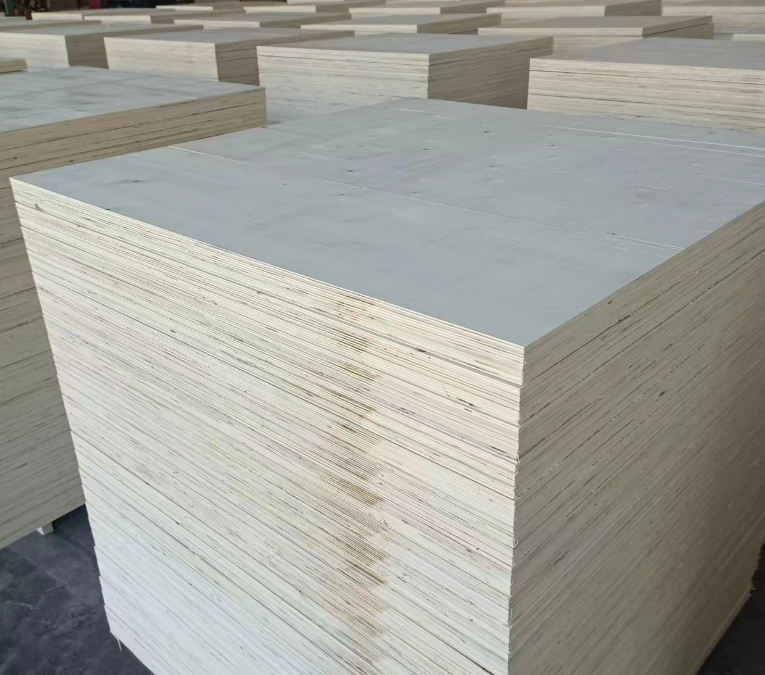
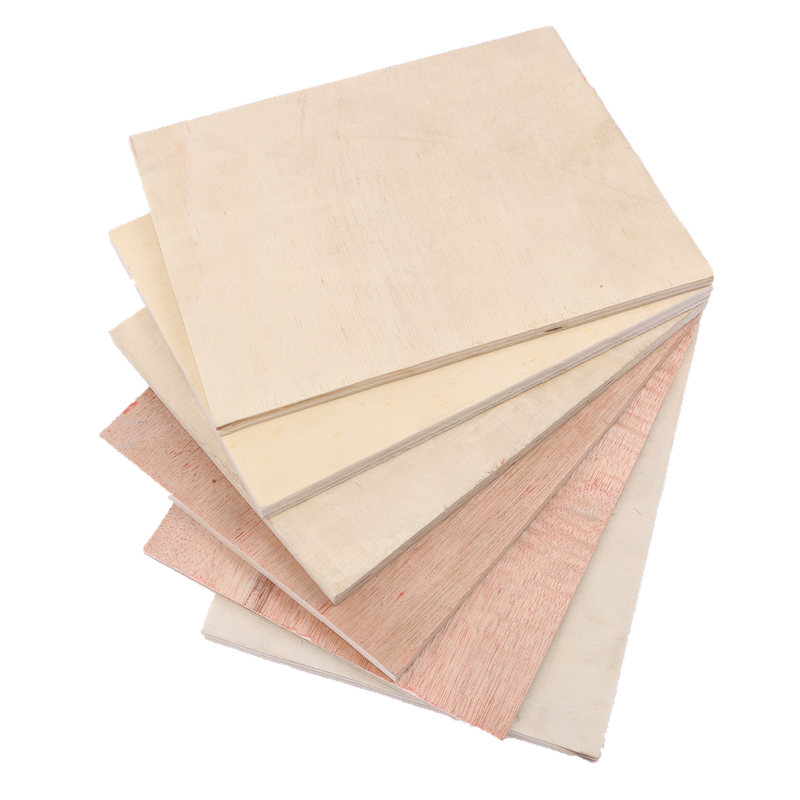
Luan, also known as Lauan or Philippine mahogany, is a type of hardwood plywood derived from tropical trees primarily found in Southeast Asia, especially the Philippines. It is recognized for its distinctive qualities and specific applications, making it a popular choice among DIY enthusiasts and professionals alike.
Environmental Considerations
Luan’s sourcing from shorea trees in Southeast Asia raises sustainability concerns, as the demand for this material has contributed to deforestation in the region. This aspect of luan’s characteristics is essential for consumers and builders to consider, as it affects the long-term availability and ecological impact of using this material in construction and DIY projects.
Thickness and Composition
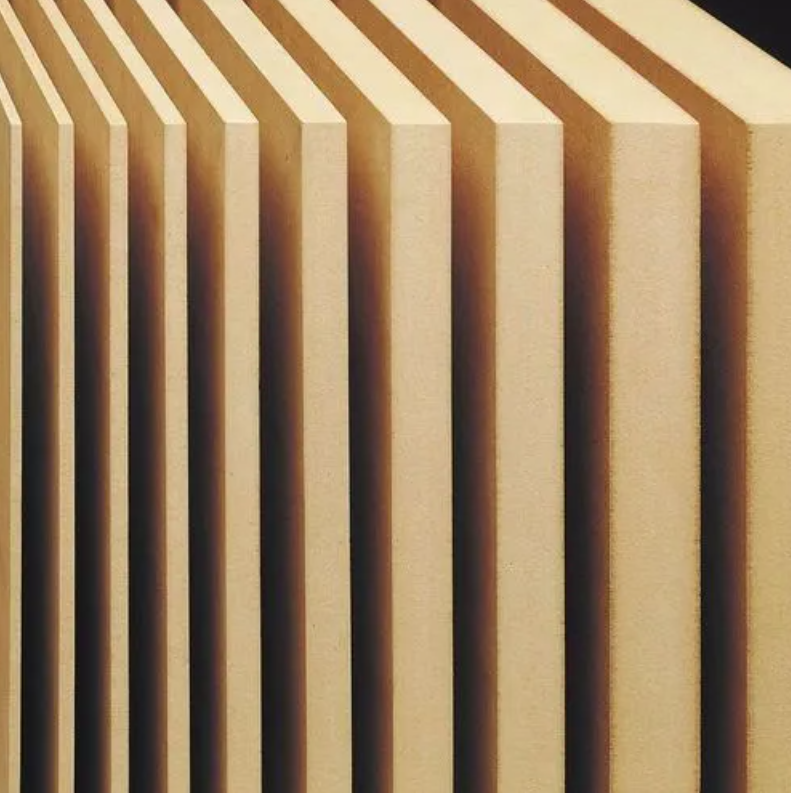
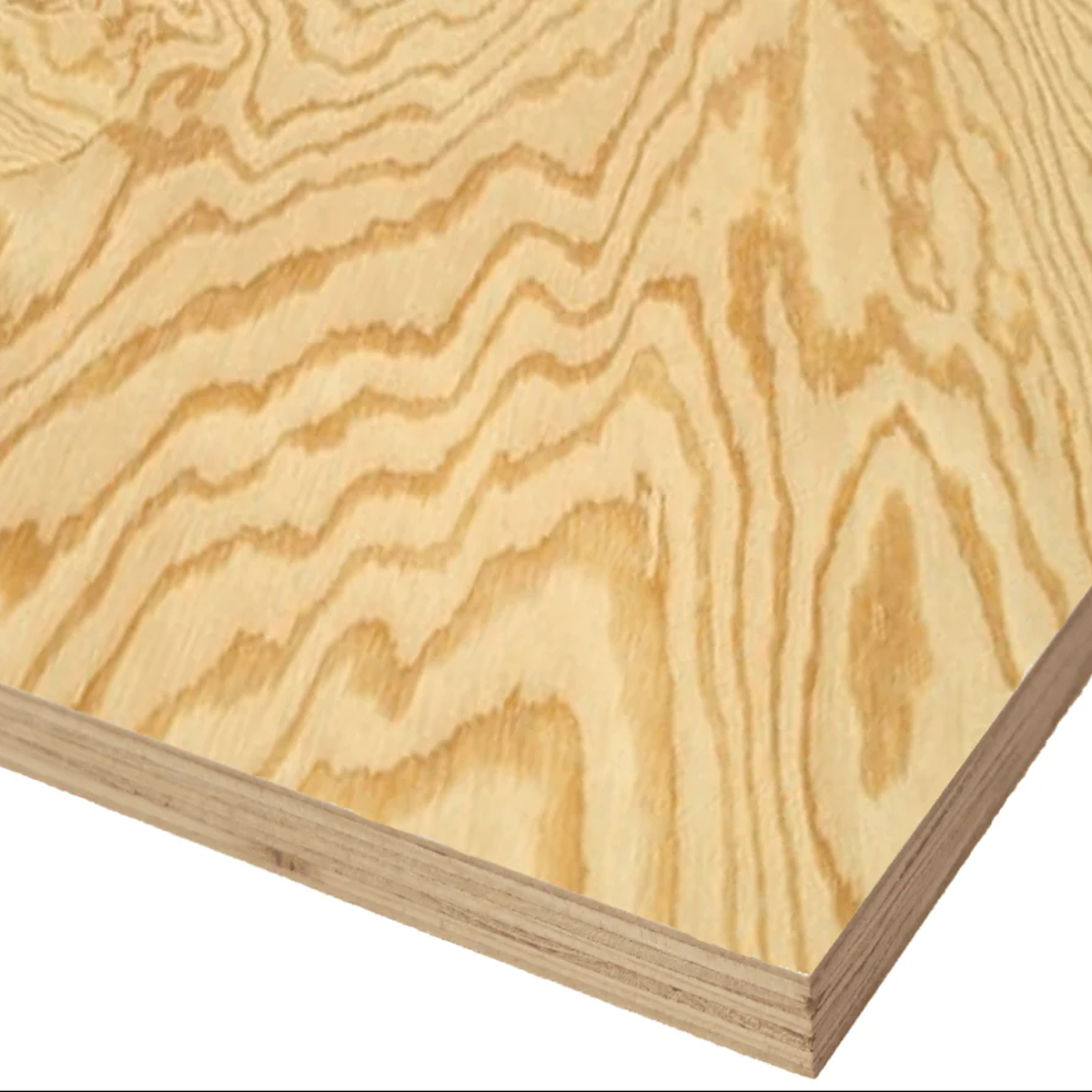
Typically, luan is manufactured in thicknesses of 1/4 inch, although it can also be found at 1/8 inch. Its thinness contributes to its lightweight nature, which makes it easy to handle and work with, especially in projects that require less structural strength. Unlike conventional plywood, luan is made from layers of thin strips of mahogany bonded together with adhesives, giving it a smooth surface that is often painted or finished to enhance its appearance.
Aesthetic Qualities
Luan is available in various colors, ranging from dark red to pink, and has a tight grain pattern that creates a unique visual effect when cut or shaped. This grain structure not only provides aesthetic appeal but also contributes to its resistance to splitting when properly machined, making it suitable for cabinetry and furniture applications where a smooth finish is desired.
Workability and Flexibility
One of the defining characteristics of luan is its pliability and ease of use, which allows it to be bent into shape for various projects. This flexibility, combined with its lightweight nature, makes it an excellent choice for applications such as ceilings, wall partitions, and interior doors. However, because of its thinness, it lacks the structural strength of thicker plywood, making it less suitable for heavy-duty construction tasks.
Moisture Sensitivity
Despite being bonded with waterproof adhesives, luan is not waterproof itself and can swell and deteriorate when exposed to moisture. This makes it crucial to use caution when selecting applications for luan, especially in areas prone to humidity or water exposure. Additionally, when used in flooring, professionals often recommend supplementing luan with sturdier materials to ensure stability and durability.
Types of Luan
In addition to grading, luan plywood can also be classified based on its intended use:
Standard Luan
Standard luan is commonly used for interior applications, including wall paneling, furniture backs, and underlayment for flooring. Its lightweight nature makes it easy to work with, while its smooth surface lends itself to various finishes.
Exterior Luan
While most luan is designed for indoor use and is not waterproof, there are exterior-grade options available. These exterior luan products are manufactured with adhesives that better withstand moisture, making them suitable for use in sheds or other outdoor constructions. It is important to confirm the specific type of luan being purchased to ensure it meets the project’s needs regarding durability and moisture resistance.
How to Use Luan
Using luan effectively requires careful planning and execution to achieve the desired results in various projects, from flooring to furniture construction.
Preparing for Installation
Before beginning any project with luan, it’s essential to prepare the necessary materials and tools. Gather luan plywood, nails or screws, saws, drills, caulking, and any fire retardants if needed. Ensure all plans are properly prepared, and select quality lumber along with appropriate adhesives. Measuring tools, such as levels and tape measures, should also be available for accuracy in your project setup.
Cutting Luan
Luan is relatively thin, typically ranging from 1/4 to 1/8 inch thick, which makes it a lightweight option. However, its thinness can pose challenges when cutting. To minimize splintering, it’s recommended to cut luan on a table saw using a fine-toothed blade. Supporting the material is crucial due to its flexibility; table extensions can aid in stability during cutting. For large cuts, a circular saw can be employed, while a utility knife works well for smaller adjustments.
Installation Techniques
When installing luan as underlayment, start by measuring the installation area and assessing the subfloor for any damage. It is crucial to leave a 1/16-inch expansion gap between each panel to accommodate any potential expansion due to moisture changes. Each luan sheet should be secured with staples, ensuring that they are either flush with or slightly below the surface to avoid interference with the flooring that will be laid on top.
Finishing the Surface
After the luan panels are installed, they should be lightly sanded with fine-grit sandpaper to create a smooth surface for any subsequent finishes. It is advisable to remove any dust generated from sanding before applying a primer and then a finish coat. Given that luan has large pores, multiple coats of primer may be necessary to achieve a uniform finish.
Considerations
While luan can be used effectively for many applications, including as underlayment for vinyl flooring and in cabinetmaking, it’s essential to remember that it is not waterproof. Exposure to moisture can cause swelling and deterioration over time. Thus, proper treatment and care during installation can significantly enhance the longevity of luan in any project.
Advantages of Using Luan
Luan plywood is a popular choice among builders and DIY enthusiasts for a variety of applications due to its numerous advantages.
Cost-Effectiveness
One of the primary benefits of luan is its affordability. Typically, a sheet of luan plywood can be purchased for around $30, making it a budget-friendly option for home improvement projects and furniture creation. Its low cost, combined with its availability, makes it an accessible material for many.
Versatility
Luan plywood is highly versatile, suitable for a wide range of applications from cabinetry to decorative wall paneling. Its adaptability allows it to be used in both functional and aesthetic projects, enhancing its appeal to builders and designers alike. The material can easily be cut to size and painted or stained to match various decor styles, which adds to its usability in different settings.
Lightweight and Easy to Work With
Another advantage of luan is its lightweight nature, which facilitates easy handling and installation. This characteristic makes it simpler to transport, cut, and fasten during projects. Additionally, luan plywood accepts nails easily, which can simplify the construction process when making furniture or other structures.
Smooth Finish and Aesthetic Appeal
Luan has a smooth surface that allows for an attractive finish when painted or stained. This quality makes it an excellent choice for projects where aesthetics are important, as it can be customized to fit any design theme. The material’s natural appearance, derived from tropical mahogany, also adds to its visual appeal.
Durability
Despite being lightweight, luan plywood is surprisingly durable. The layering of thin mahogany strips bonded under high pressure creates a robust material that can withstand everyday wear and tear. While it may not be suitable for applications requiring significant structural strength, it remains a reliable option for many home improvement tasks where light duty is sufficient.
Ease of Preparation and Use
Preparing luan for projects is straightforward, with minimal tools required to cut, shape, and fasten the material. This ease of use is beneficial for both novice and experienced builders, making it an attractive option for various skill levels. Proper preparation techniques can enhance the results, such as using a primer before painting for a smoother finish.
Disadvantages of Using Luan
While Luan wood offers several advantages, it also has notable disadvantages that should be considered before selecting it for a project.
Low Density and Strength
Luan is characterized by its low density, which can lead to decreased strength when drilled into or fastened. This makes it susceptible to splitting and splintering, particularly if not handled with care. When used in furniture making, brads or finishing nails are preferred over screws, as screw heads can easily penetrate through the material, compromising the integrity of the piece.
Moisture Sensitivity
Luan is not waterproof and can deteriorate when exposed to moisture. Its tendency to swell and warp when subjected to high humidity or water exposure limits its suitability for certain applications, particularly in environments prone to moisture. This can lead to issues such as mold growth and structural weakness, necessitating careful consideration of where and how it is used.
Limited Lifespan
Due to its susceptibility to rot and decay, Luan generally has a shorter lifespan compared to more durable hardwoods. Without proper treatment and maintenance, it may not withstand the test of time in many applications, which could result in additional costs for replacement or repairs down the line.
Aesthetic Limitations
While Luan can be painted or stained to enhance its appearance, the quality of its finish may not match that of harder woods like oak or maple. This can be a drawback for projects where aesthetic appeal is a priority. Furthermore, imperfections in the material may require additional sanding and filling, further increasing labor and time involved in preparation.
Maintenance of Luan Flooring
Maintaining luan flooring is essential to ensure its longevity and appearance. While luan is often used as an underlayment for vinyl flooring, it also requires specific care when installed as a visible surface in homes.
Regular Cleaning
To keep luan flooring looking its best, regular cleaning is crucial. Homeowners should use a vacuum or broom to remove dirt and debris, followed by a damp rag to wipe away surface dust. It is vital to ensure that the subfloor is clean and free of any nails or foreign objects before the installation of luan to prevent damage to the flooring above it.
Preventing Damage
Several strategies can help minimize wear and tear on luan flooring:
- Use Protective Furniture Pads: Place pads under heavy furniture to prevent scratches and dents, which are particularly damaging to the surface.
- Control Humidity: Maintaining optimal humidity levels helps prevent expansion and contraction of the flooring material. Excess moisture can lead to warping, so using a dehumidifier in humid areas is recommended.
- Encourage Shoe Removal: By asking family members and guests to remove their shoes when entering the home, homeowners can significantly reduce dirt and debris tracked onto the flooring.
- Use Area Rugs: Placing rugs in high-traffic areas can help trap dirt and protect the flooring from scratches and stains.
Addressing Spills and Stains
Quick action is necessary when dealing with spills on luan flooring. Homeowners should immediately blot spills with a clean cloth to absorb the liquid before it has a chance to seep into the material. For tougher stains, it is advisable to use cleaning products specifically designed for the type of flooring, avoiding harsh chemicals that could cause damage.
Repairing Damages
Common damages to luan flooring include scratches, dents, and stains. Small scratches can often be repaired using a wood filler or wax crayon designed for flooring. For more significant damages, such as cracks, homeowners might consider using a patching compound. If the damage is extensive, hiring a professional contractor may be necessary to ensure proper repairs are made. By following these maintenance tips, homeowners can keep their luan flooring in excellent condition and extend its lifespan while enjoying its aesthetic appeal.
Comparison with Other Flooring Options
When considering flooring choices, it is important to evaluate Luan flooring in relation to other popular materials such as bamboo, hardwood, and laminate. Each option has distinct characteristics that cater to different needs and preferences.
Luan Flooring Characteristics
Luan, a type of plywood made from tropical wood, is often used as an underlayment for various flooring types due to its smooth surface and lightweight nature. It provides a stable base for finished flooring materials, making it an excellent choice for those looking to enhance the durability and performance of their floors. Luan is particularly favored for its cost-effectiveness and ease of installation compared to other flooring materials.
Comparison with Bamboo Flooring
Bamboo flooring has gained popularity for its eco-friendliness and aesthetic appeal. It is durable and can last between 25 to 50 years when properly maintained. However, bamboo can be sensitive to moisture and may scratch more easily than other materials. In contrast, Luan serves primarily as an underlayment rather than a finished surface. While Luan is less expensive than bamboo, it does not offer the same aesthetic or longevity as bamboo flooring, which may be more desirable for homeowners looking to create a stunning visual impact in their spaces.
Comparison with Hardwood Flooring
Hardwood flooring is renowned for its beauty and long lifespan, often lasting over 50 years with proper care. However, hardwood can be significantly more expensive than Luan and may require more maintenance, including refinishing over time. Luan, being a more affordable option, does not provide the same luxurious finish but is advantageous as a subfloor or underlayment, enhancing the overall stability of the finished flooring above it. Homeowners may opt for Luan as a cost-effective solution that still supports the installation of high-end flooring materials.
Comparison with Laminate Flooring
Laminate flooring is another popular option that provides the look of wood or stone at a lower cost. It is relatively easy to install and maintain, making it a favorite among DIY enthusiasts. While laminate offers a wide variety of styles and is resistant to scratches, it generally does not have the same lifespan as hardwood or bamboo. Luan can be utilized as a base for laminate flooring to improve its overall performance, particularly in terms of noise reduction and moisture resistance. However, unlike laminate, Luan requires the addition of a finished surface to be functional.
Contact us
Product Category
Hot Sales Boxes

When Was Plywood Invented? Origins,development & Impact
Plywood is an engineered wood product consisting of multiple layers of thin wood veneers glued together, which provides enhanced strength and stability.

How To Use Luan? And what’s Luan Flooring
Luan, also known as Lauan or Philippine mahogany, is a type of hardwood plywood primarily sourced from tropical trees in Southeast Asia, particularly the Philippines.

What is Luan underlayment?The Price Of Luan Underlayment
Luan underlayment, derived from thin sheets of plywood made from the Lauan tree, is a widely used material in construction and interior applications.

How to successfully remove hardwood flooring
Removing hardwood flooring can be a rewarding project, but it requires the right tools, techniques, and preparation.

Different Types Of Engineered Wood And Their Uses
Engineered wood refers to a range of composite wood products created by binding together wood strands, fibers, or veneers with adhesives, resulting in materials that possess enhanced strength, stability, and versatility compared to traditional solid wood.
- +86 150 5090 7673
- www.haruplywood@outlook.com
- Mon-Fri 9:00AM - 5:00PM
Tags

When Was Plywood Invented? Origins,development & Impact
Plywood is an engineered wood product consisting of multiple layers of thin wood veneers glued together, which provides enhanced strength and stability.

How To Use Luan? And what’s Luan Flooring
Luan, also known as Lauan or Philippine mahogany, is a type of hardwood plywood primarily sourced from tropical trees in Southeast Asia, particularly the Philippines.

What is Luan underlayment?The Price Of Luan Underlayment
Luan underlayment, derived from thin sheets of plywood made from the Lauan tree, is a widely used material in construction and interior applications.


